





TL;DR
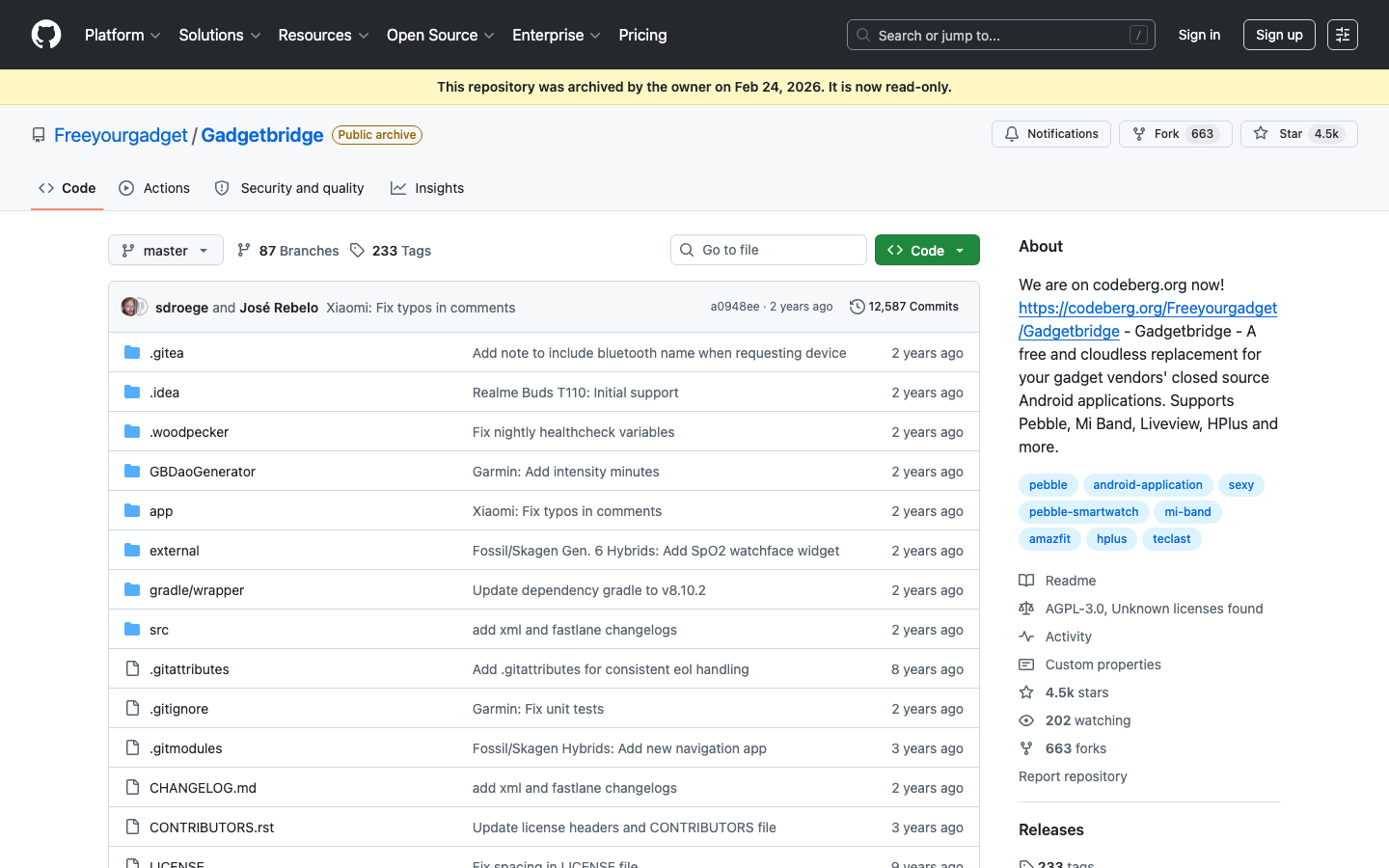
- Privacy first: Gadgetbridge is your cloudless Android gateway—it intercepts wearable data before it leaves your phone, with no account or internet required.
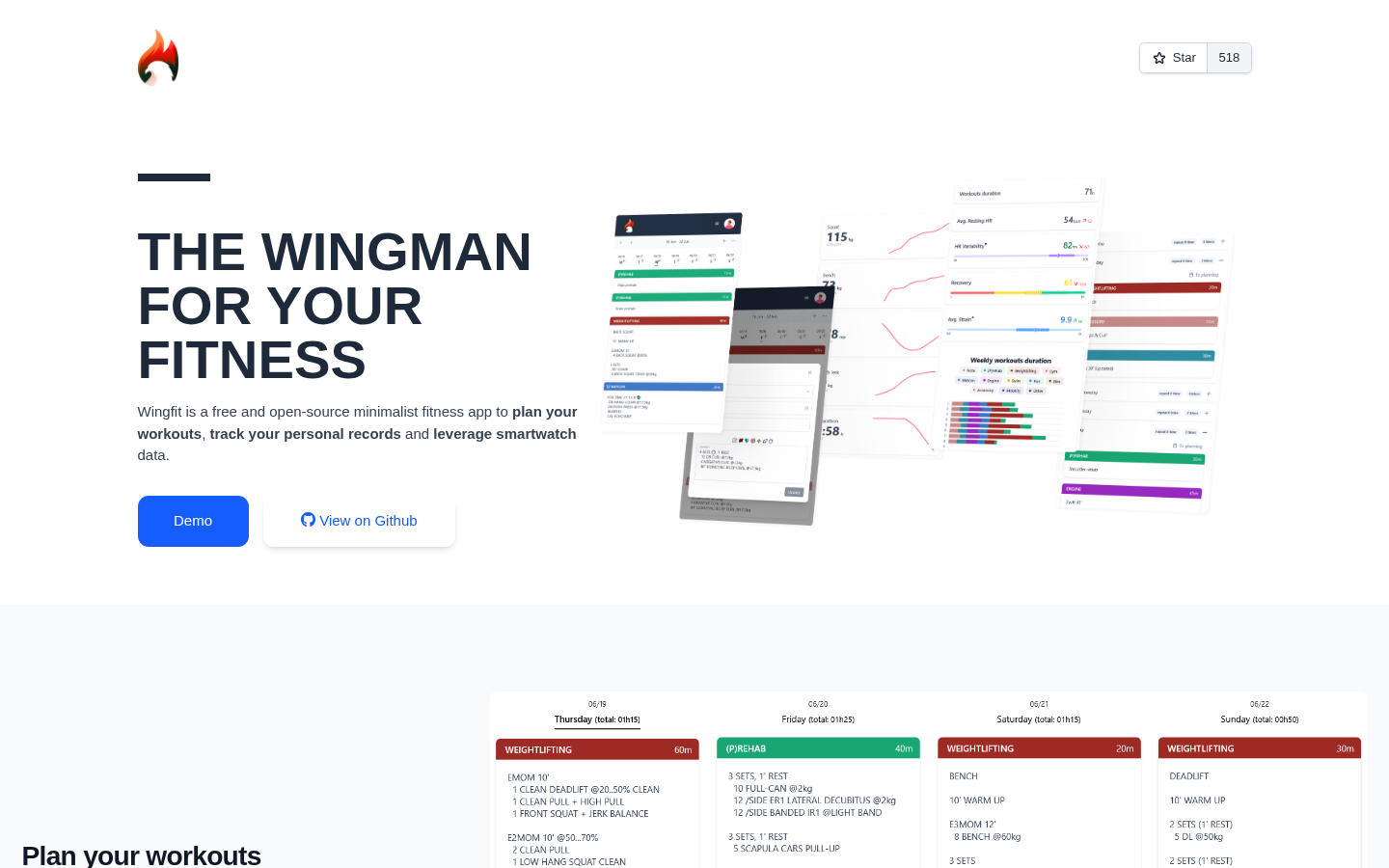
- Self-hosted control: wger puts fitness, nutrition, and weight tracking entirely under your roof, eliminating subscription tiers and Google's data grasp.
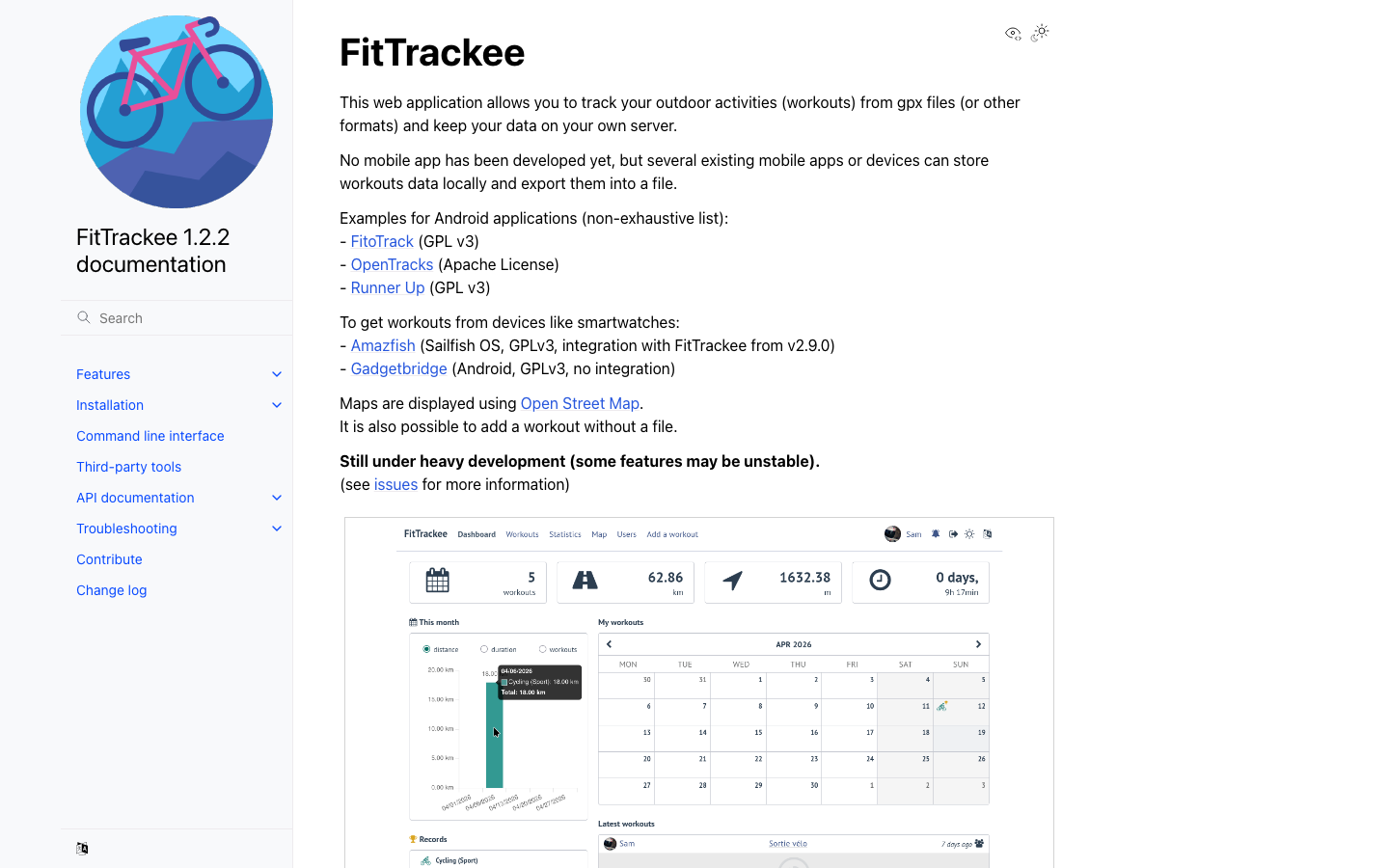
- Activity tracking without vendor lock-in: FitTrackee captures outdoor workouts on your own server, giving you portable data and full export rights from day one.
Why teams leave Fitbit App
Fitbit's pivot to Google ownership has become a breaking point for privacy-conscious users and teams managing employee wellness data. The February 2, 2026 account merger deadline forces a hard choice: hand over years of intimate health data—sleep patterns, heart rate, location, weight history—to Google's servers, or lose access entirely. New devices already require a Google Account to function, making the legacy Fitbit ecosystem a one-way door.
Beyond the privacy cost, Fitbit's closed cloud model locks you in. Your data lives on Google's infrastructure with limited export options; advanced insights and integrations sit behind the paid Premium tier, creating ongoing subscription pressure. There's no self-hosting option, no API for custom workflows, and no meaningful control over how your health data is indexed, retained, or shared across Google's ad and AI training pipelines.
Open-source alternatives flip this model: your wearable data stays on your device or your own server, no account required, no cloud lock-in, and no subscription gates. You own the export, you control the insights, and you can walk away with everything.
Quick comparison
| Name | License | Self-Hosted | API / Extensibility | Stack / Language | Best For |
|---|---|---|---|---|---|
| wger | AGPL-3.0 | ✓ Yes | REST API, extensible Python codebase | Python | Complete fitness, nutrition, and weight tracking ecosystem |
| Gadgetbridge | AGPL-3.0 | ✓ Local device | Plugin architecture for wearable support | Java | Android users wanting cloudless Mi Band, Pebble, and smartwatch sync |
| FitTrackee | AGPL-3.0 | ✓ Yes | REST API, map visualization | Python | Outdoor athletes and teams tracking GPS workouts with full data ownership |
Top open-source alternatives to Fitbit App
wger
A self-hosted fitness, workout, nutrition, and weight tracker built for teams and individuals who want a complete health platform without subscriptions or cloud dependency. wger combines workout logging, exercise libraries, nutrition tracking, and body metrics in one unified Python application you deploy on your own infrastructure.
Pros
- Full-stack fitness ecosystem (workouts, nutrition, weight, progress charts) with no Premium paywall
- REST API and extensible codebase make custom integrations and automation straightforward
- Complete data ownership and portability—export everything, migrate anytime
Cons
- Requires self-hosting infrastructure and basic DevOps knowledge
- No native wearable device sync (you'll need to manually log or integrate via API)
Gadgetbridge
A free, cloudless Android application that replaces vendor apps for Mi Band, Pebble, HPlus, Liveview, and other smartwatches. Data syncs directly to your phone with no internet requirement, no account, and no cloud backend—Gadgetbridge acts as a local gateway between your wearable and your Android device.
Pros
- Zero-cloud architecture: wearable data never leaves your phone unless you choose to export it
- Supports a broad range of devices (Mi Band, Pebble, and more) with an active plugin ecosystem
- No account, no signup, no subscription—install and go
Cons
- Android-only (no iOS support)
- Limited advanced analytics compared to Fitbit's dashboard; emphasis is on data capture, not insights
FitTrackee
A self-hosted outdoor activity tracker designed for cyclists, runners, and athletes who want GPS workout data on their own server. FitTrackee records routes, pace, elevation, and performance metrics with built-in map visualization and a REST API for custom workflows.
Pros
- Purpose-built for outdoor sports with accurate GPS logging and elevation tracking
- REST API enables custom dashboards, integrations, and automated analysis
- All data stays on your server; export is native and unrestricted
Cons
- Narrower scope than Fitbit (focused on outdoor activities, not sleep or resting heart rate)
- Smaller community and ecosystem compared to wger
How to choose
Start with your primary use case: if you want a comprehensive fitness and nutrition platform, wger is the most feature-complete self-hosted option. If you're an Android user with a Mi Band or Pebble and want zero-cloud sync, Gadgetbridge is unmatched for simplicity and privacy. If your team or personal focus is outdoor sports (running, cycling, hiking), FitTrackee offers purpose-built tracking with full data control. All three are AGPL-3.0 licensed and designed to be deployed on infrastructure you control—eliminating Fitbit's forced Google Account migration and subscription tiers entirely.