







TL;DR
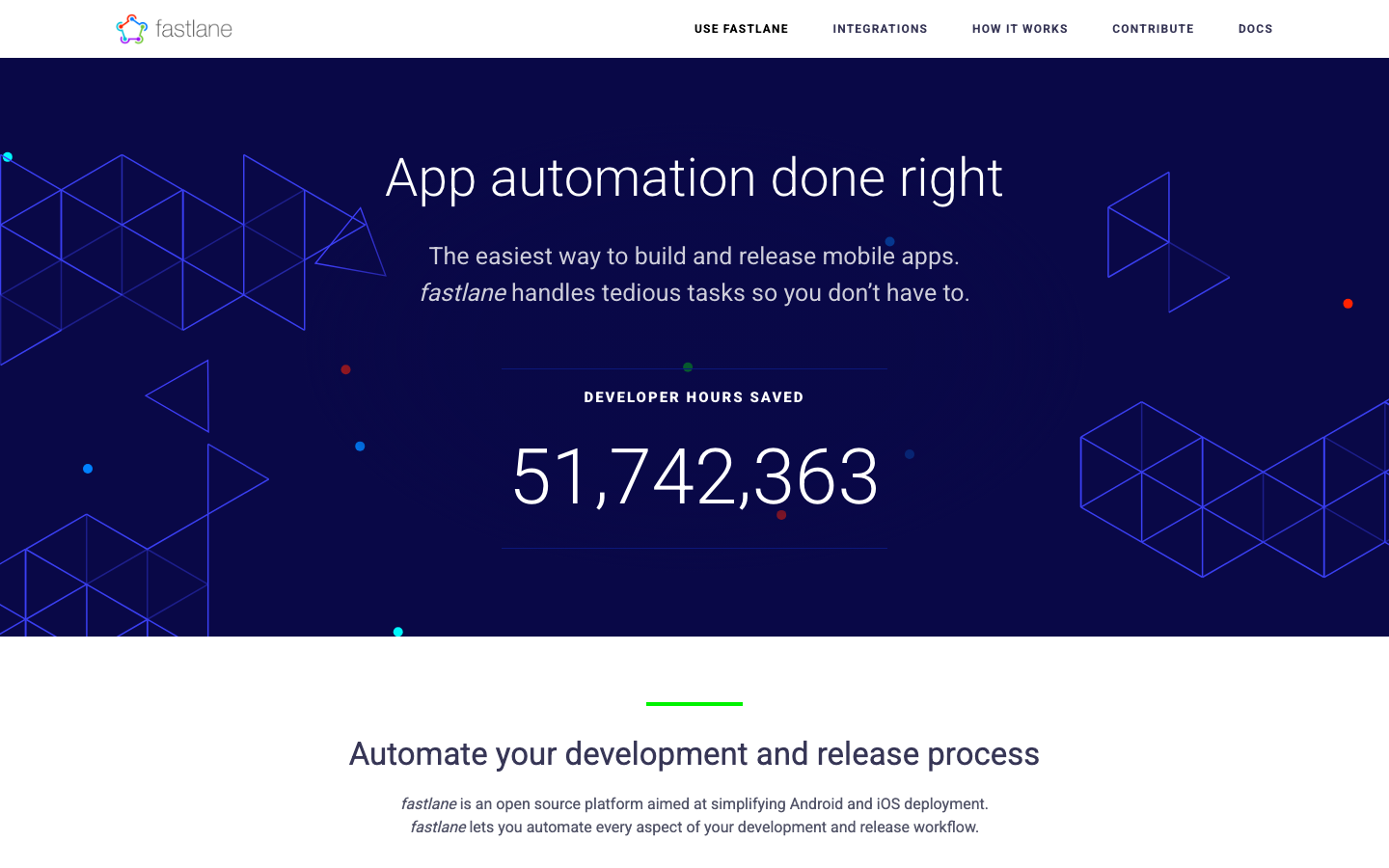
- Mobile app release automation: Teams shipping iOS and Android on a tight cadence should evaluate fastlane, which handles build signing, testing, and app store uploads with minimal scripting.
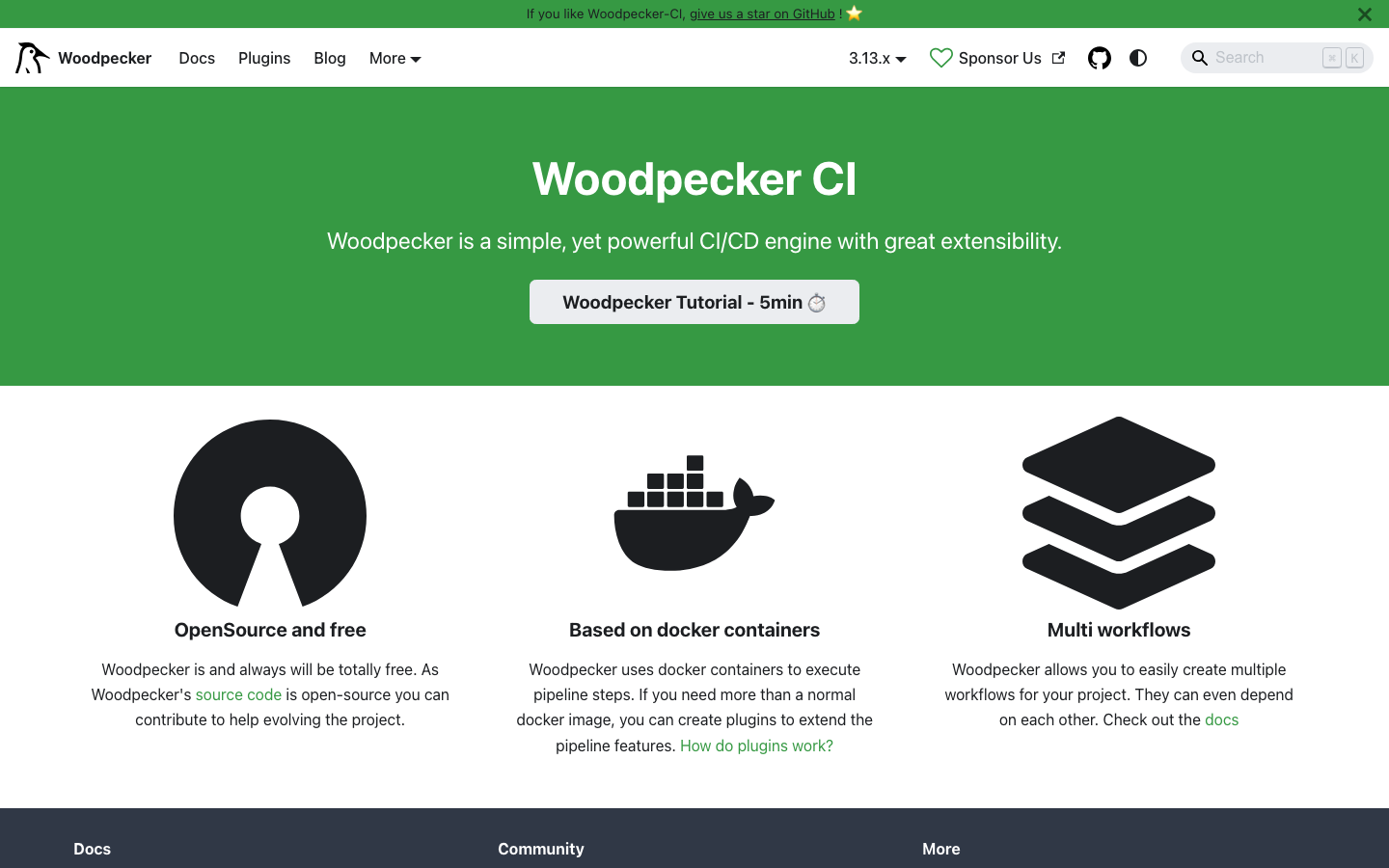
- Lightweight, declarative pipelines: Organizations tired of Jenkins plugin sprawl and XML configs can start with Woodpecker, a Go-based CI engine designed for simplicity and extensibility without the operational overhead.
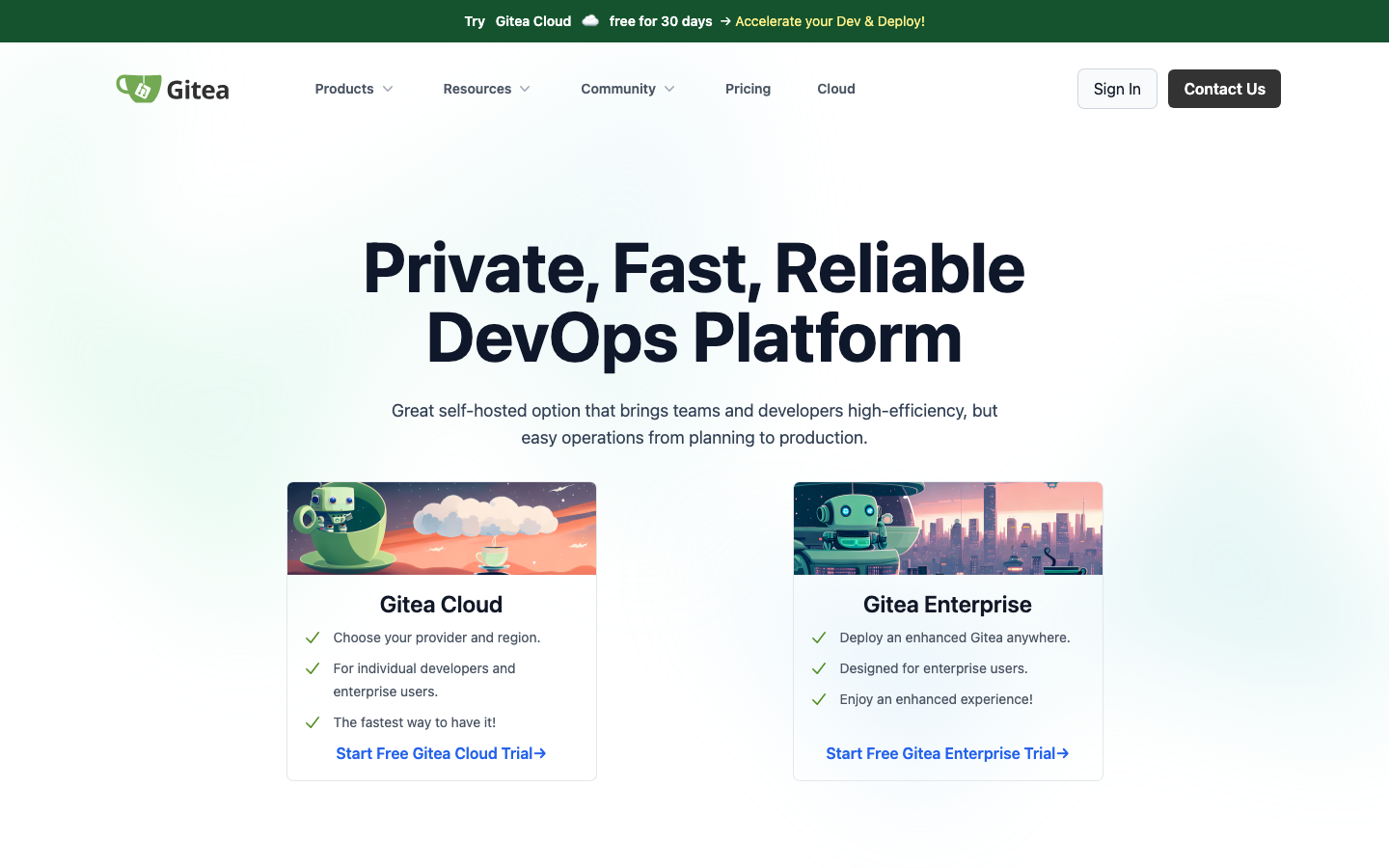
- All-in-one DevOps platform: If you need Git hosting, code review, and CI/CD in one self-hosted box, Gitea bundles them together and eliminates the Jenkins + separate Git server pattern.
Why teams leave Jenkins
Jenkins's operational cost is real, even though the license is free. You own the entire stack: controller availability, agent provisioning, plugin version management, security patching, and scaling. When a Jenkins installation grows, so does the DevOps burden—plugin conflicts multiply, upgrades become risky, and keeping agents healthy consumes time that could go to product work.
The comparison often boils down to this: Jenkins trades licensing cost for operational cost. Managed CI platforms bill per build-minute or per-seat, but they handle runners, upgrades, and infrastructure. Lighter open-source CI tools aim for the middle ground—low operational overhead and zero licensing—but they require you to choose the right fit for your pipeline patterns. Teams with mature DevOps practices and strict infrastructure control sometimes stick with Jenkins; teams with smaller DevOps budgets or simpler pipelines increasingly migrate to purpose-built alternatives that reduce toil without sacrificing control.
Quick comparison
| Name | License | Self-Hosted | API / Extensibility | Stack / Language | Best For |
|---|---|---|---|---|---|
| Gitea | MIT | Yes | REST API, webhooks, plugin system | Go | Git + code review + CI/CD in one box |
| Fastlane | MIT | Yes (local or CI) | Ruby scripting, action composition | Ruby | iOS/Android build, sign, and release automation |
| Woodpecker | Apache-2.0 | Yes | Plugin system, container-native | Go | Lightweight, declarative CI/CD pipelines |
| StackStorm | Apache-2.0 | Yes | 160+ integration packs, 6000+ actions, REST API | Python | Event-driven automation, incident response, ChatOps |
| Cronicle | License not declared | Yes | Web UI, JSON API, plugin architecture | JavaScript | Distributed task scheduling and monitoring |
| OliveTin | AGPL-3.0 | Yes | Shell command execution, web UI | Go | Safe, simple access to predefined ops commands |
| Dagu | GPL-3.0 | Yes | File-based, declarative YAML workflows | Go | Lightweight workflow engine, single binary to cluster |
| DebOps | License not declared | Yes | Ansible-based, Jinja templating | Jinja | Debian infrastructure automation and provisioning |
Top open-source alternatives to Jenkins
Gitea
Gitea is a self-hosted Git service with built-in code review, team collaboration, package registry, and CI/CD—all in a single Go binary. It eliminates the need to run Jenkins alongside a separate Git platform, reducing operational silos and simplifying authentication/authorization.
Pros:
- Single self-hosted instance covers Git, pull requests, and CI/CD; no plugin ecosystem to manage.
- Lightweight and fast; runs well on modest hardware.
- REST API and webhook support for integration with external tools.
Cons:
- CI/CD feature set is simpler than Jenkins; teams with complex pipeline requirements may outgrow it.
- Smaller community and fewer third-party integrations compared to Jenkins.
Fastlane
Fastlane automates the entire build, sign, test, and release workflow for iOS and Android apps. It's a Ruby-based toolkit designed to eliminate manual, error-prone steps in mobile app shipping.
Pros:
- Purpose-built for mobile; handles code signing, provisioning profiles, and app store uploads natively.
- Runs locally or in any CI system, so no vendor lock-in.
- Composable actions and lanes make complex workflows readable and maintainable.
Cons:
- Focused on mobile; not a general-purpose CI/CD platform.
- Requires Ruby knowledge for advanced customization.
Woodpecker
Woodpecker is a lightweight, container-native CI/CD engine written in Go. It emphasizes simplicity and extensibility without the plugin sprawl that can plague Jenkins installations.
Pros:
- Declarative YAML pipelines, not XML or UI-driven configuration; easier to version control and review.
- Plugin system is straightforward; lower cognitive overhead than Jenkins.
- Runs agents in containers; simpler scaling and resource isolation.
Cons:
- Smaller ecosystem than Jenkins; fewer pre-built integrations.
- Younger project; less battle-hardened at extreme scale.
StackStorm
StackStorm is an event-driven automation platform for auto-remediation, incident response, and DevOps workflows. It ships with 160+ integration packs covering 6000+ actions, a rules engine, and ChatOps support.
Pros:
- Event-driven model is ideal for incident response and auto-remediation; more flexible than traditional CI/CD.
- Massive integration library reduces custom scripting.
- Rules engine and workflow engine let you compose complex multi-step automations declaratively.
Cons:
- Steeper learning curve; not a drop-in Jenkins replacement for simple CI/CD.
- Operational complexity; requires more infrastructure and configuration than lightweight CI tools.
Cronicle
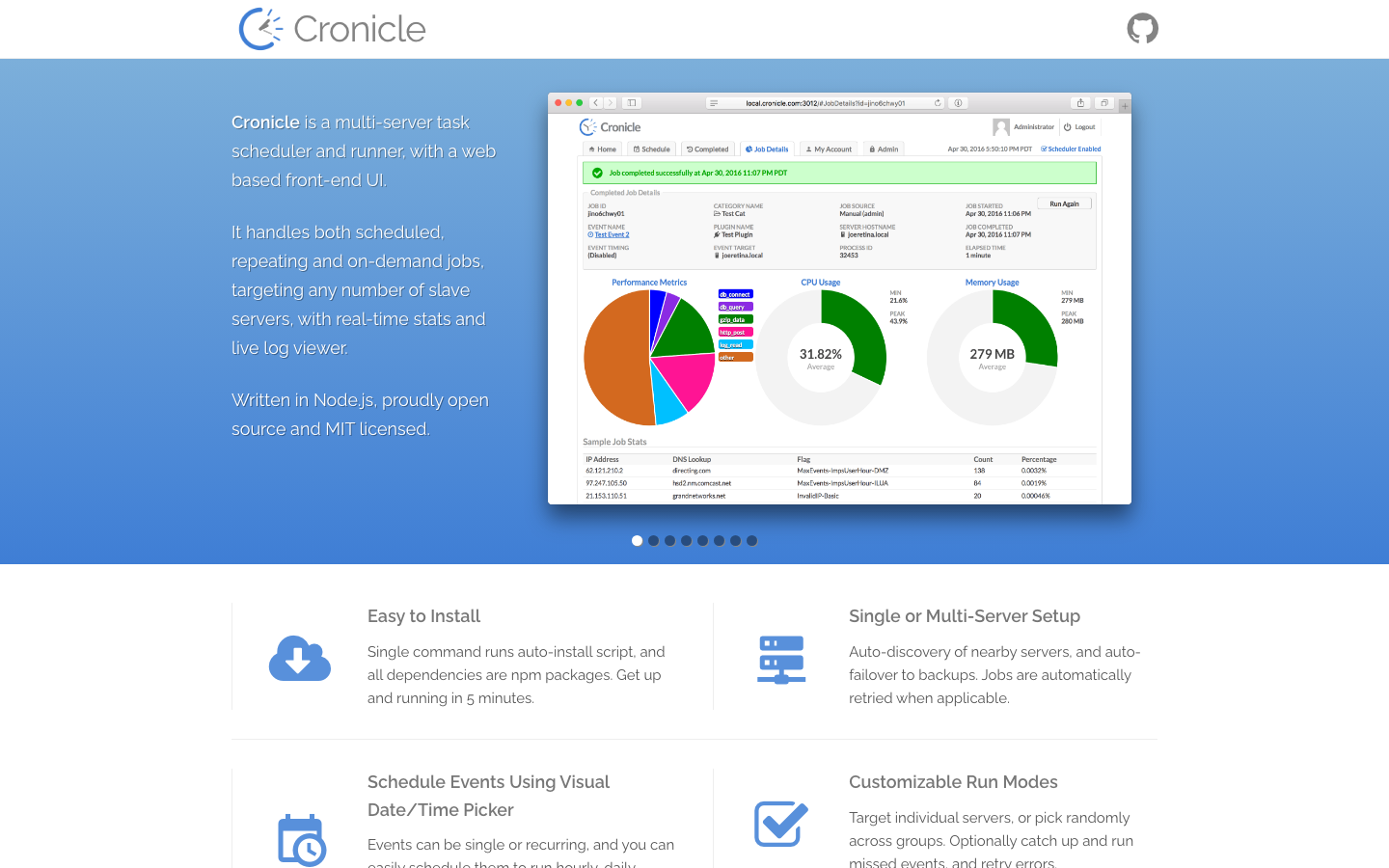
Cronicle is a distributed task scheduler and runner with a web-based UI. It's designed for reliable, recurring job execution across multiple machines.
Pros:
- Simple, distributed architecture; no complex agent management.
- Web UI makes job monitoring and debugging intuitive.
- JSON API for programmatic job creation and control.
Cons:
- Not a full CI/CD platform; better suited for cron-like tasks than complex build pipelines.
- License not declared; unclear usage restrictions.
OliveTin
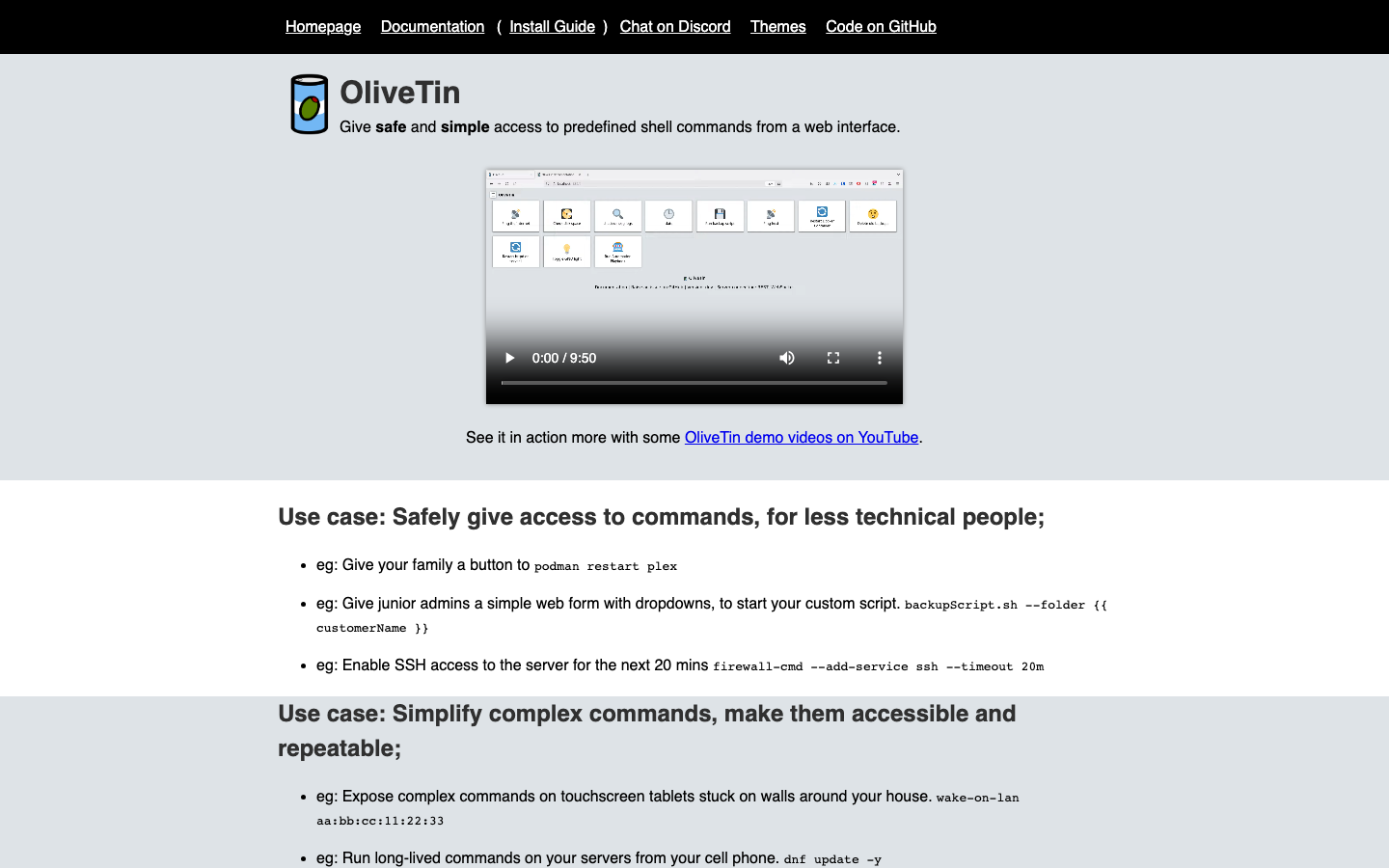
OliveTin provides safe, web-based access to predefined shell commands. It's a lightweight tool for exposing ops tasks to team members without terminal access.
Pros:
- Minimal setup; ideal for teams that need simple command execution without full CI/CD complexity.
- AGPL-3.0 license; open source with clear terms.
- No plugin system to maintain; configuration is straightforward.
Cons:
- Not a CI/CD platform; better suited for ad-hoc ops tasks than automated pipelines.
- Limited to shell commands; no native support for build artifacts or test reporting.
Dagu
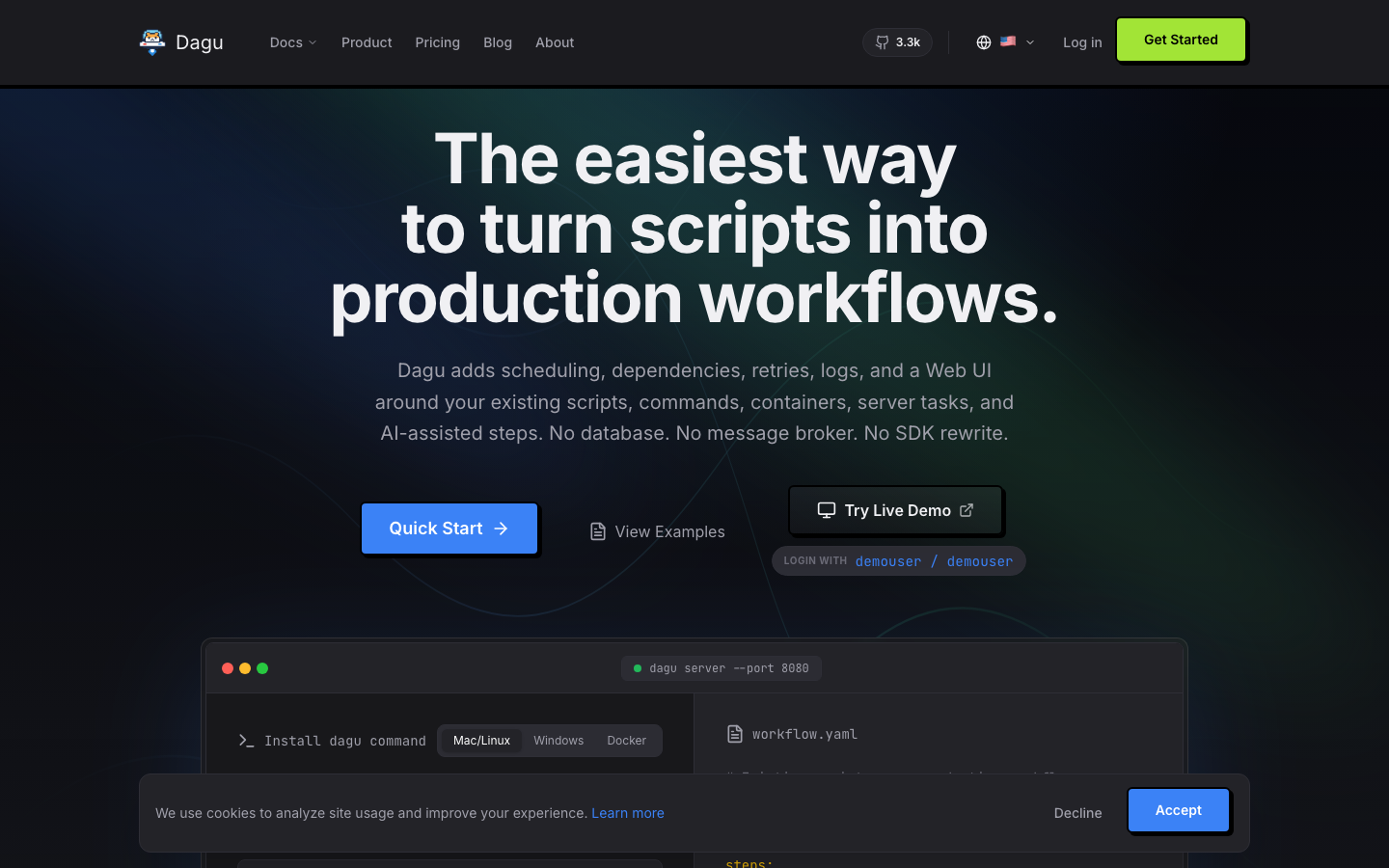
Dagu is a lightweight, file-based workflow engine written in Go. It runs as a single binary and scales from laptop to distributed cluster, with declarative YAML syntax and air-gap readiness.
Pros:
- Declarative, file-based workflows; easy to version control and audit.
- Single binary; minimal dependencies and deployment friction.
- Designed for AI-agent orchestration and sovereign infrastructure; future-proof for emerging use cases.
Cons:
- Newer project with smaller community; fewer examples and integrations.
- GPL-3.0 license; may restrict commercial redistribution in some contexts.
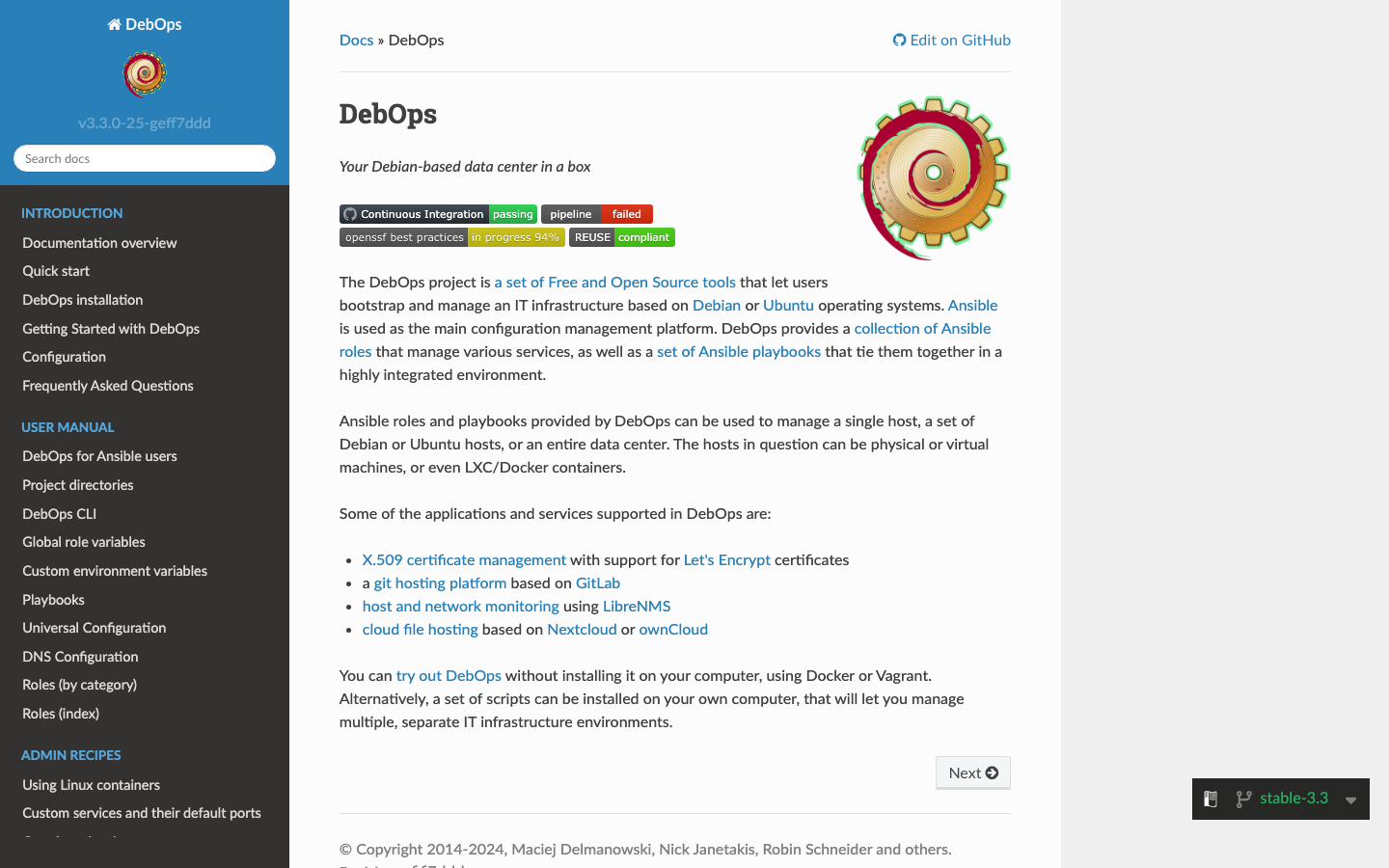
DebOps
DebOps is an Ansible-based framework for provisioning and managing Debian-based infrastructure at scale. It provides opinionated, reusable playbooks and roles for common DevOps tasks.
Pros:
- Leverage existing Ansible knowledge; no new DSL to learn.
- Comprehensive coverage of infrastructure automation; reduces custom scripting.
- Declarative, version-controllable infrastructure as code.
Cons:
- Not a CI/CD platform; focused on infrastructure provisioning, not build and test pipelines.
- License not declared; unclear restrictions on use and modification.
How to choose
Start by clarifying your primary need: Are you building and testing code (CI/CD), automating ops tasks, or provisioning infrastructure? If you need a full CI/CD replacement for Jenkins, Woodpecker and Gitea are strong starting points—both are lightweight and reduce operational burden. For mobile teams, fastlane is purpose-built and will save weeks of scripting. For incident response and event-driven automation, StackStorm offers more flexibility than traditional CI. For smaller teams or simpler use cases, OliveTin or Cronicle may be sufficient without the overhead of a full CI platform. Match the tool's scope to your team size and pipeline complexity; overshooting often means inheriting operational debt you don't need.