



TL;DR
- *Teams running arr stacks for comics should evaluate Mylar3 or Kapowarr, both purpose-built comic book managers that eliminate the need for a generic indexer proxy and integrate natively with download clients.
- Self-hosted operations tired of chasing external indexer uptime can switch to Bitmagnet, which crawls the DHT network directly and removes dependency on third-party tracker reliability.
- Organizations seeking a lighter-weight, API-driven indexing layer should explore Bitmagnet's GraphQL interface and Servarr integration as a foundation-level replacement rather than a drop-in Prowlarr substitute.
Why teams leave Prowlarr
A common scenario: your Prowlarr instance runs smoothly for weeks, then searches start failing. You check the logs and find that half your indexers are now behind Cloudflare challenges, blocking automated queries. You spin up FlareSolverr or another proxy workaround, but now you're managing extra infrastructure just to keep indexers accessible. A month later, two of your favorite trackers go offline or change their invite requirements, and you're scrambling to find replacements.
This is Prowlarr's structural weakness: it's an aggregator that depends entirely on external indexers and trackers you don't control. Many indexers sit behind anti-bot protections that require proxy layers to bypass. Trackers change rules, disappear, or restrict access—and when they do, your search reliability drops immediately. Prowlarr itself is also generic; it treats all media equally, which means you're running a general-purpose tool even if you only care about one media type (comics, for instance).
For teams with narrow use cases—comic collectors, for example—a specialized tool built for that domain eliminates both the indexer-chasing game and the overhead of a generic proxy. For others, a DHT-based indexer that crawls the network directly sidesteps the external tracker problem entirely. Both approaches trade Prowlarr's broad flexibility for reliability and focus.
Quick comparison
| Name | License | Self-Hosted | API / Extensibility | Stack / Language | Best For |
|---|---|---|---|---|---|
| Bitmagnet | MIT | Yes | GraphQL API, Servarr integration | Go | DHT-based indexing, avoiding external tracker dependency |
| Mylar3 | GPL-3.0 | Yes | Download client integration | Python | Automated comic book acquisition and library management |
| Kapowarr | GPL-3.0 | Yes | *arr suite integration | Python | Comic library building and curation in the *arr ecosystem |
Top open-source alternatives to Prowlarr
Bitmagnet
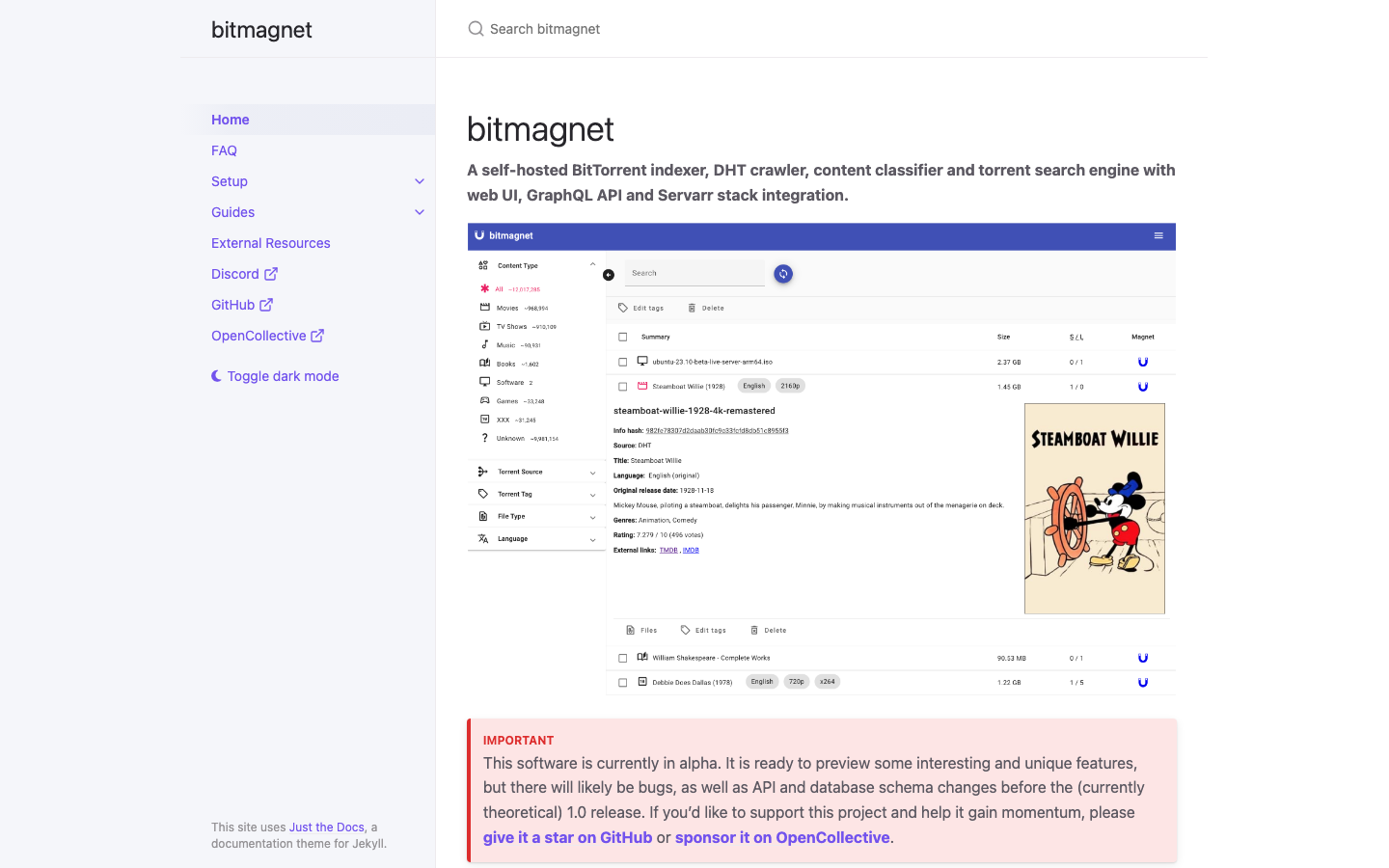
Bitmagnet is a self-hosted BitTorrent indexer and DHT crawler that builds its own searchable index by monitoring the distributed hash table network, eliminating reliance on external trackers. It includes a web UI, GraphQL API, and native integration with the Servarr stack (Sonarr, Radarr, etc.), making it a foundation-level replacement for Prowlarr's indexing function.
Pros
- Removes dependency on external indexers; crawls DHT directly so tracker downtime and access restrictions don't affect you.
- GraphQL API and Servarr integration allow flexible automation and connection to existing *arr workflows.
- MIT license and Go implementation offer good performance and permissive licensing for commercial or heavily modified deployments.
Cons
- Requires more infrastructure setup and maintenance than a simple proxy; you're running a full crawler, not just an aggregator.
- DHT indexing may miss niche or private content that only exists on closed trackers.
Mylar3
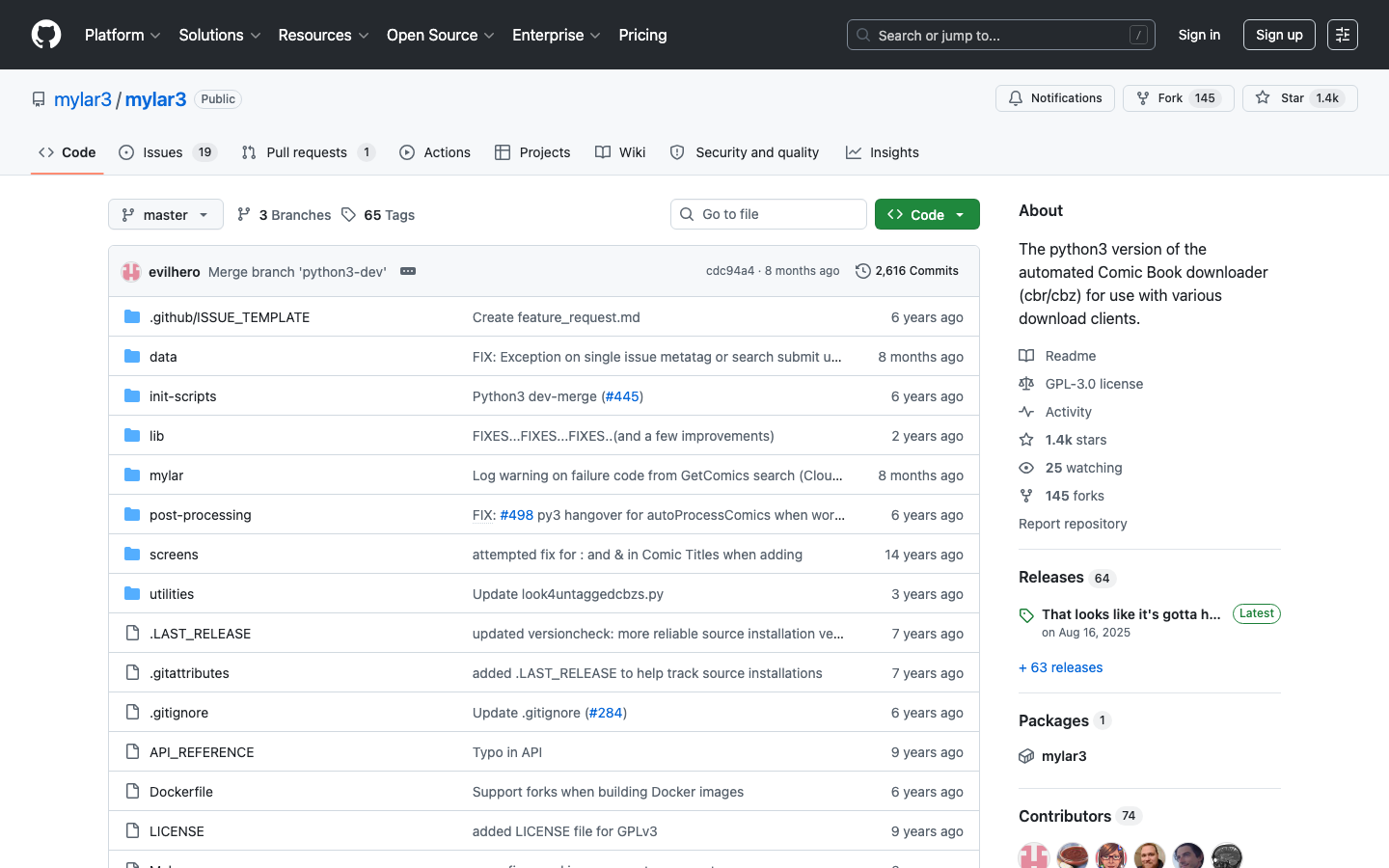
Mylar3 is a Python-based automated comic book downloader designed specifically for CBR/CBZ formats and integration with download clients. It's the Python 3 evolution of the original Mylar project, purpose-built for comic collectors who want library automation without generic indexer overhead.
Pros
- Specialized for comics; understands comic metadata, naming conventions, and formats in ways a generic indexer cannot.
- Direct download client integration (SABnzbd, rTorrent, Transmission, etc.) keeps the stack focused and simple.
- GPL-3.0 license and active Python codebase make it easy to fork or extend for comic-specific workflows.
Cons
- Still depends on external indexers and trackers for comic content; you're automating acquisition, not solving indexer reliability.
- Narrower scope means it won't help if you also manage TV, movies, or other media types.
Kapowarr
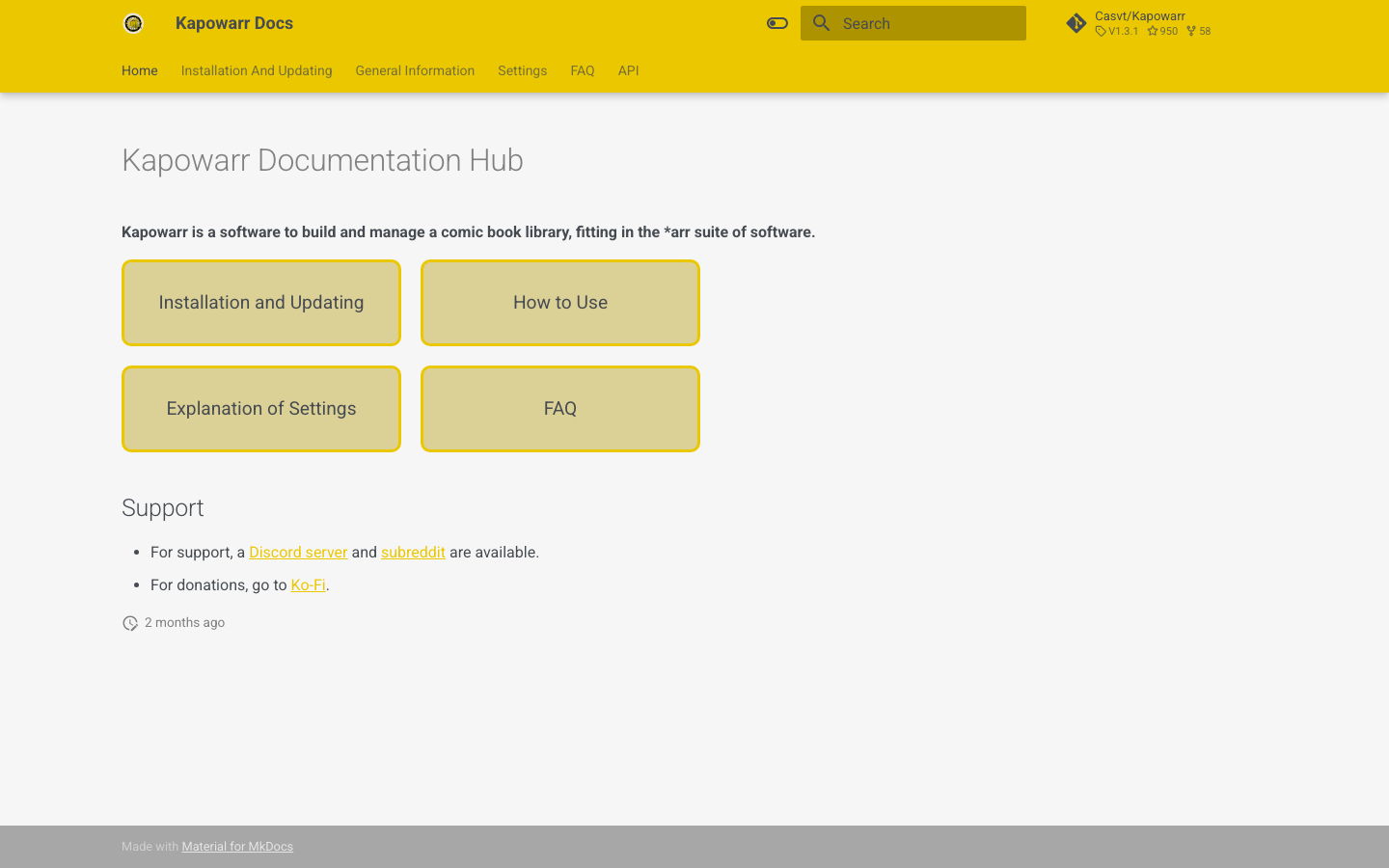
Kapowarr is a comic book library manager and downloader built to fit seamlessly into the *arr suite ecosystem, offering an *arr-native alternative to generic indexing. It handles both curation and automated acquisition of comic books with native integration to Sonarr, Radarr, and other Servarr tools.
Pros
- Designed for the *arr ecosystem, so it speaks the same language as your existing Sonarr/Radarr setup and shares integration patterns.
- Combines library management and automation in one tool, reducing the number of services you need to run.
- GPL-3.0 license and Python implementation allow community contributions and customization.
Cons
- Like Mylar3, it depends on external indexers for content discovery; it automates the download workflow, not indexer reliability.
- Smaller project by GitHub stars, so community support and feature velocity may lag behind larger *arr projects.
How to choose
If you only manage comics, choose Mylar3 or Kapowarr depending on whether you prefer a standalone downloader (Mylar3) or a full *arr-integrated suite tool (Kapowarr). Both eliminate Prowlarr's generic overhead and understand comic-specific metadata and formats.
If you want to escape external indexer dependency entirely, Bitmagnet is the right foundation. It crawls DHT directly, so tracker downtime and access restrictions won't interrupt your searches. Plan for more infrastructure complexity in exchange for indexer independence.
If you manage multiple media types (TV, movies, comics) and want to stay in the *arr ecosystem, keep Prowlarr but pair it with Bitmagnet as a fallback indexer, or migrate high-value content types (comics) to Kapowarr and let Prowlarr handle the rest. This hybrid approach reduces your exposure to indexer brittleness without a complete rearchitecture.