






TL;DR
- Building and sharing API collections across a team without per-seat fees: Hoppscotch and Bruno store collections locally and in git, eliminating Postman's $14/user/month Team plan requirement.
- Testing APIs in a CI/CD pipeline or automation context: Playwright excels at web testing and API validation within a broader test suite, while Insomnia offers headless CLI support for API testing workflows.
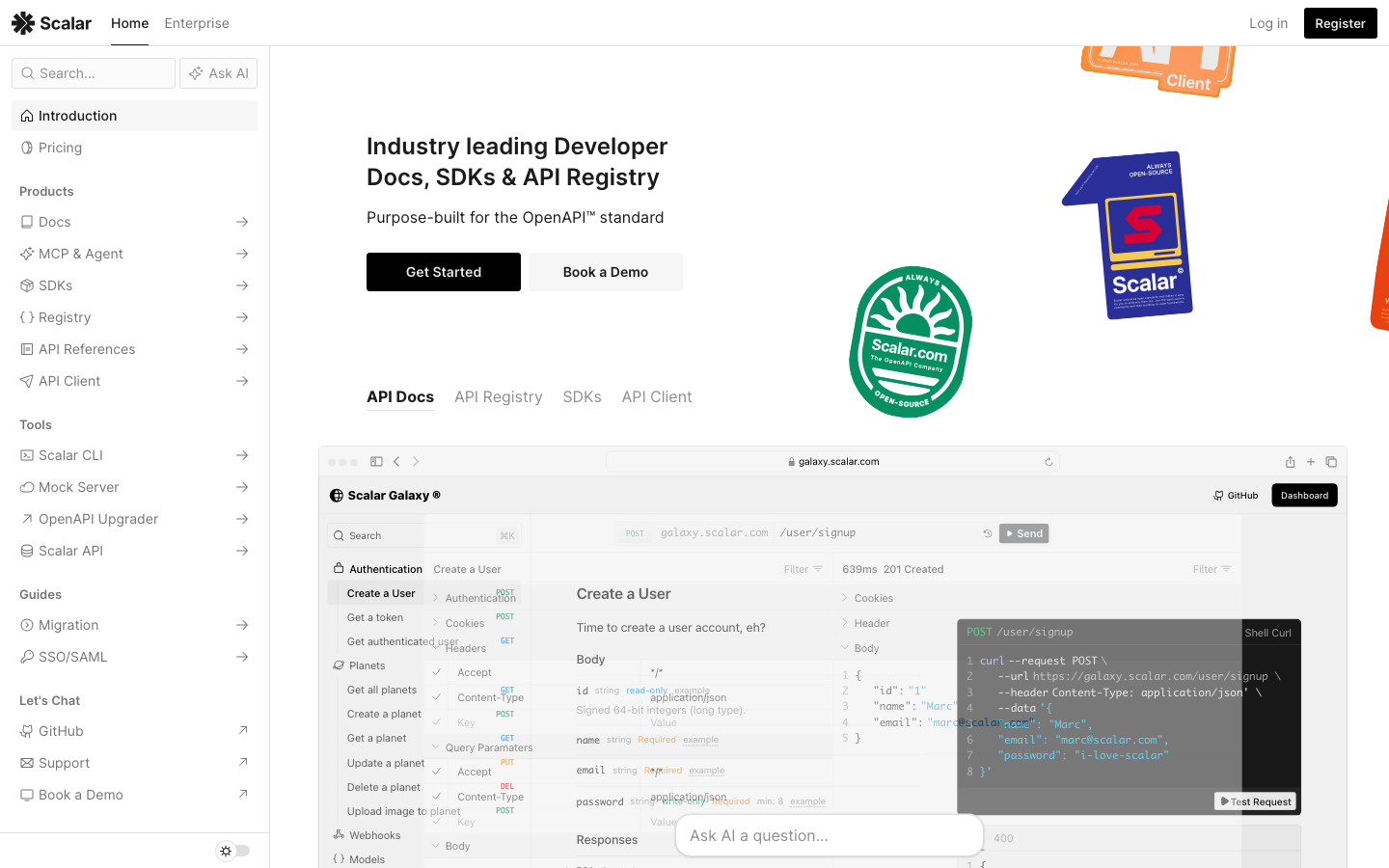
- Documenting and exploring OpenAPI/Swagger specs with a modern client: Scalar combines a REST client with beautiful API reference generation, ideal for teams already invested in OpenAPI tooling.
Why teams leave Postman
From March 1, 2026, Postman's Free plan restricts collaboration to a single user—any team sharing API collections must adopt the paid Team plan at $14/user/month. For a five-person team, that's $840 annually just to share request definitions and environments. The pain sharpens because Postman increasingly stores collections, environments, and API history in its cloud, making it harder to version-control your API workspace or self-host your tooling.
This shift creates two classes of friction: billing lock-in (seat-based pricing punishes growing teams) and data control (your API definitions live in Postman's infrastructure, not your repository). Developers and smaller teams resent paying per user for what amounts to a shared JSON file. Open-source alternatives—especially those with local-first or git-friendly storage—appeal to teams that want to own their API workspace, collaborate without vendor licensing, and integrate API testing into their existing version control and CI/CD pipelines.
Quick comparison
| Name | License | Self-Hosted | API / Extensibility | Stack / Language | Best For |
|---|---|---|---|---|---|
| Playwright | Apache-2.0 | Yes | Programmatic; extensible via plugins | TypeScript | Web testing & API automation in CI/CD |
| Hoppscotch | MIT | Yes | REST, GraphQL, WebSocket; extensible | TypeScript | Team API development; offline-first workflows |
| Bruno | MIT | Yes | REST, GraphQL; git-friendly collections | JavaScript | Lightweight API client; local-only teams |
| Insomnia | Apache-2.0 | Yes | REST, GraphQL, gRPC, WebSocket, SSE | TypeScript | Full-featured API client; headless testing |
| Scalar | MIT | Yes | REST client + OpenAPI/Swagger docs | TypeScript | API documentation & exploration |
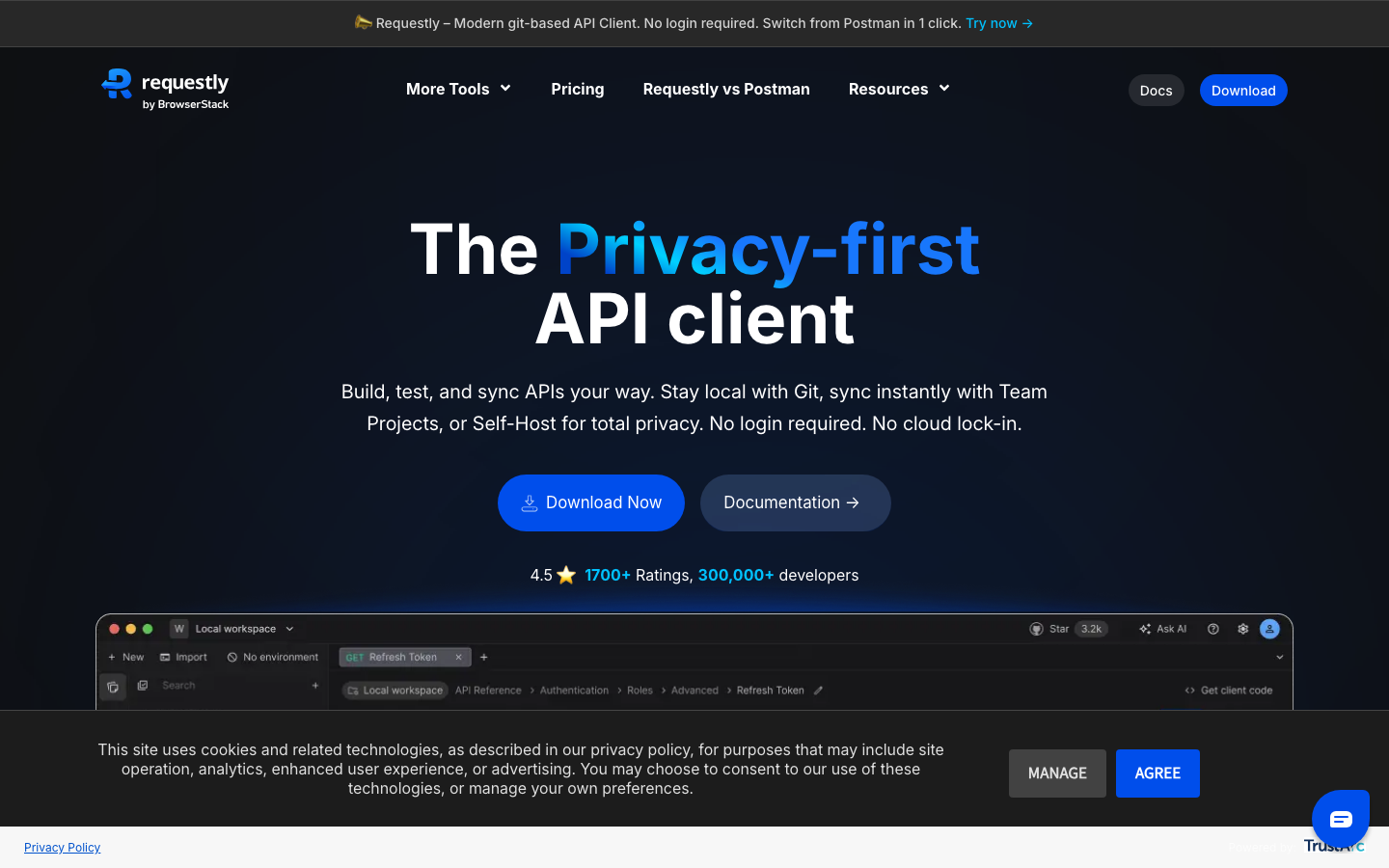
| Requestly | License not declared | Yes | Request interception & mocking | TypeScript | API mocking & request debugging |
Top open-source alternatives to Postman
Playwright
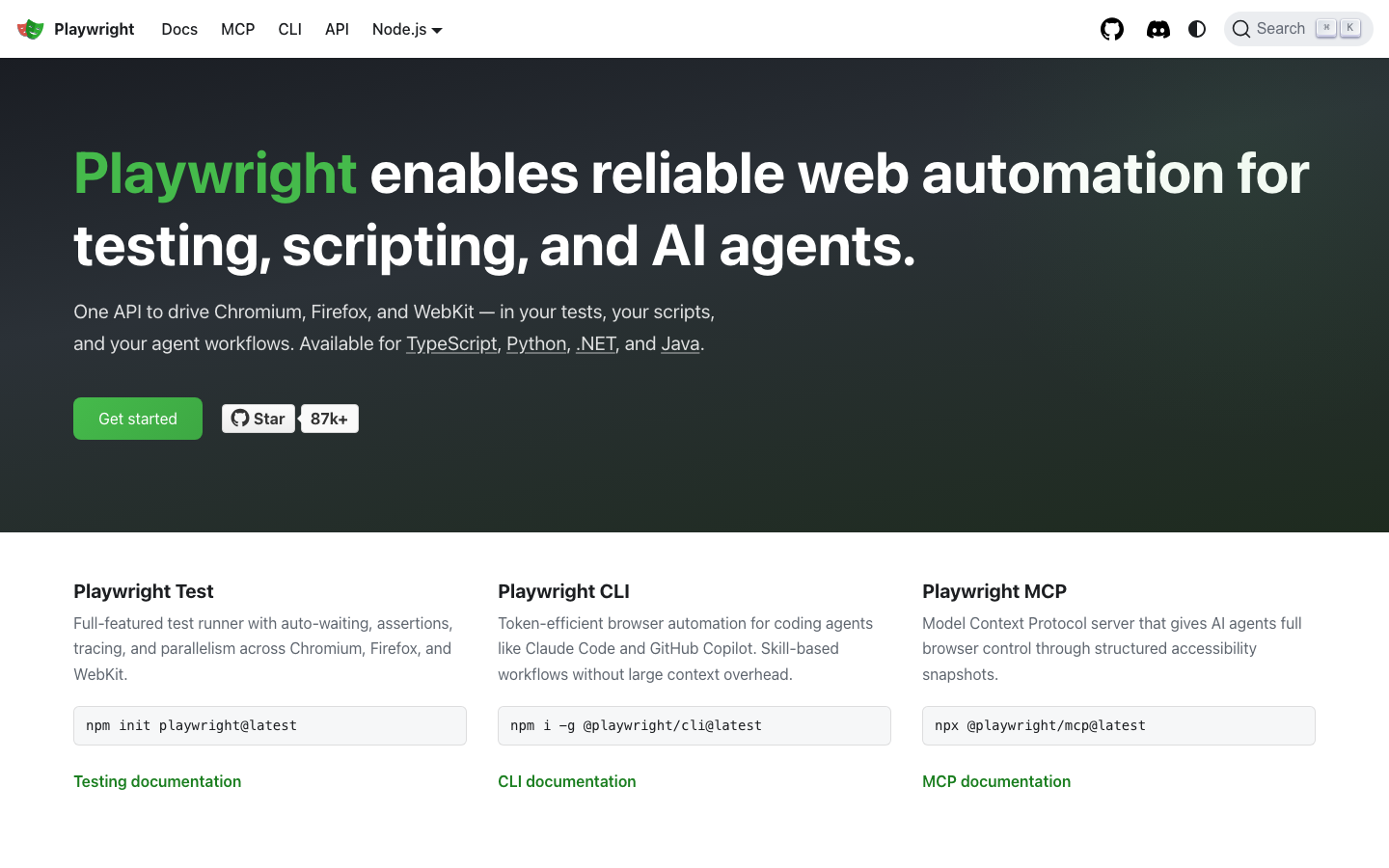
Playwright is a framework for web testing and automation that controls Chromium, Firefox, and WebKit with a single API. While not a traditional API client, it's powerful for teams that need to test APIs as part of end-to-end test suites or automate API interactions in CI/CD pipelines.
Pros
- Runs headless in CI/CD without a UI, ideal for automated testing workflows.
- Covers multiple browsers and platforms with a unified API.
- Strong community and first-class TypeScript support.
Cons
- Not designed as a manual API exploration tool; requires writing test code.
- Steeper learning curve than point-and-click API clients.
Hoppscotch
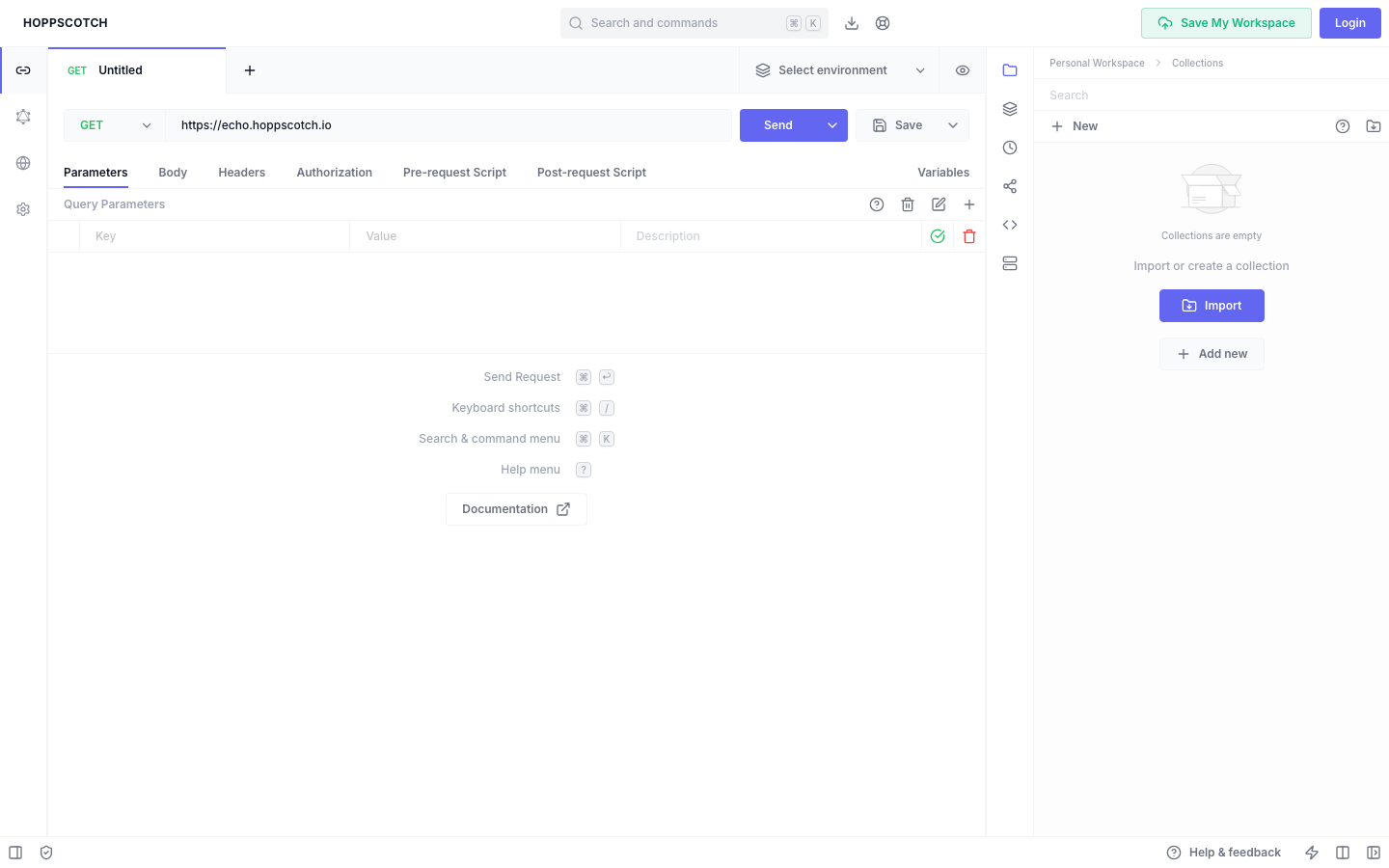
Hoppscotch is an open-source API development ecosystem offering web, desktop, and CLI interfaces. It supports REST, GraphQL, and WebSocket requests, with offline-first and on-premises deployment options—directly positioning itself as a Postman alternative.
Pros
- Works offline and stores collections locally; no forced cloud sync.
- Available as web app, desktop client, or CLI for flexible workflows.
- Team collaboration without per-user licensing; self-host to avoid cloud lock-in.
Cons
- Smaller ecosystem and fewer enterprise integrations than Postman.
- On-premises deployment requires more operational overhead.
Bruno
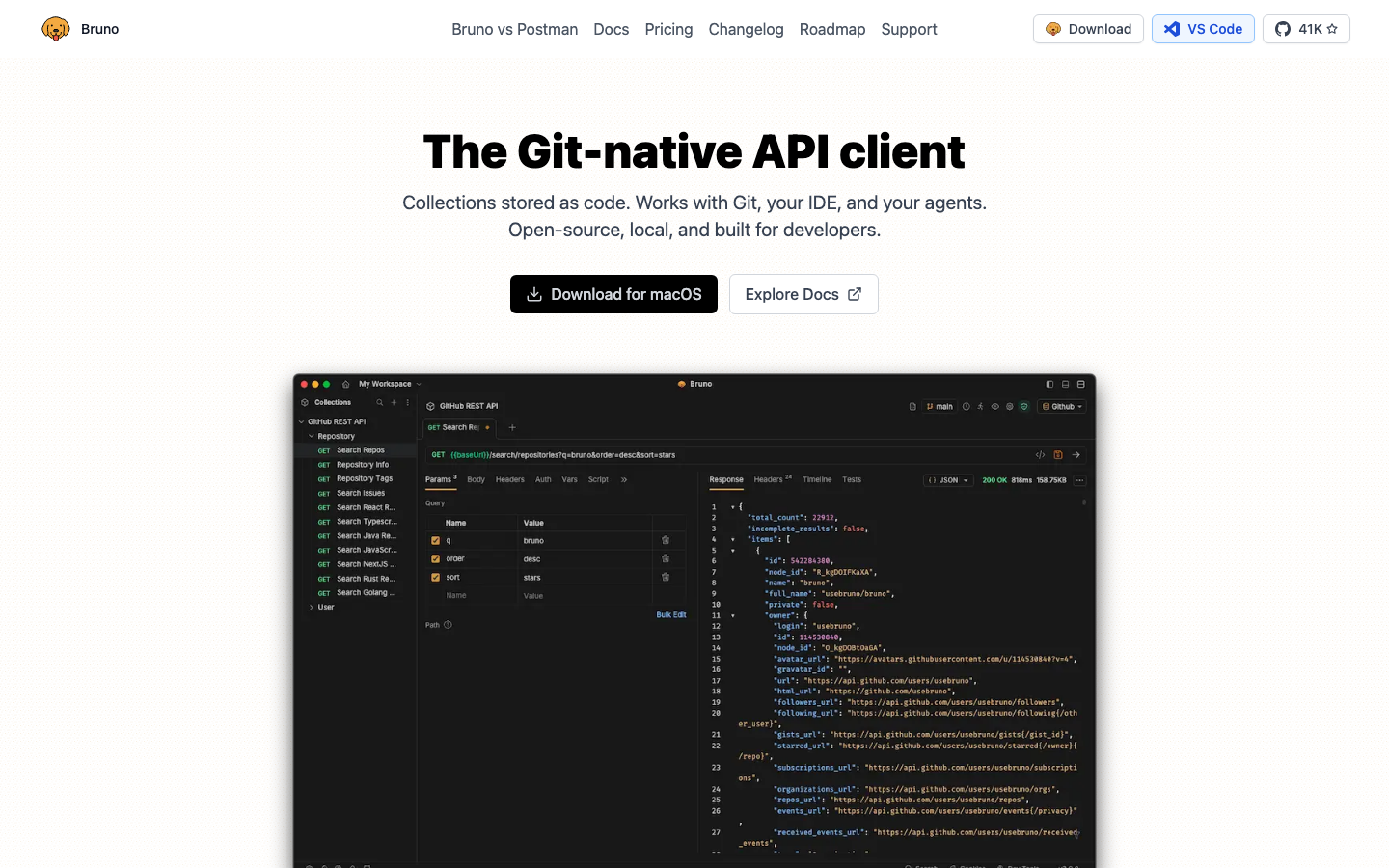
Bruno is a lightweight, open-source IDE for API exploration and testing. Collections are stored as plain-text files on disk, making them naturally git-friendly and version-controllable without cloud infrastructure.
Pros
- Collections live in your repository; no vendor lock-in or cloud sync overhead.
- Minimal footprint; fast and responsive for solo developers and small teams.
- Clean UI focused on REST and GraphQL requests.
Cons
- Fewer advanced features than Postman (e.g., limited scripting, no built-in mocking).
- Smaller community means fewer plugins and integrations.
Insomnia
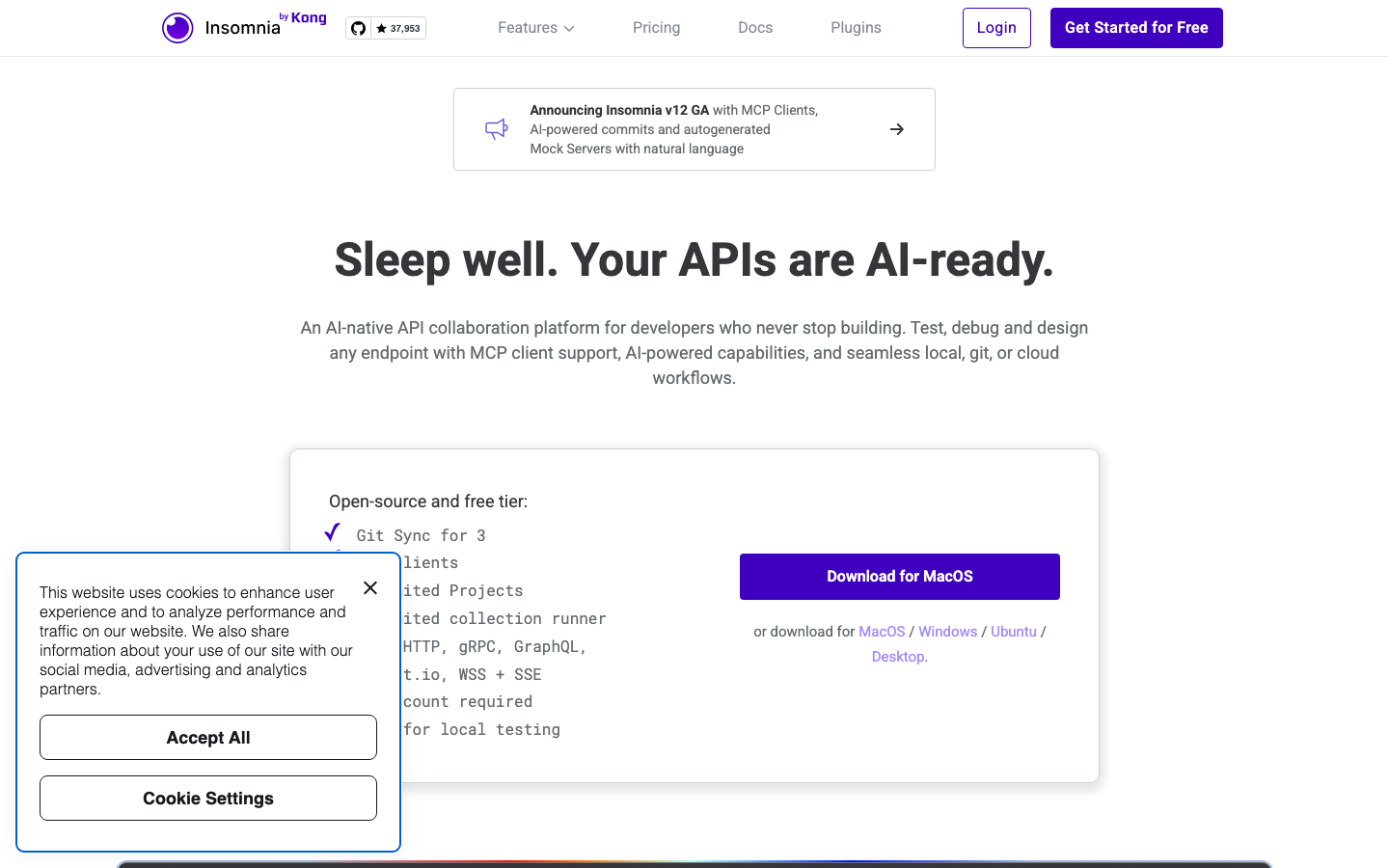
Insomnia is a cross-platform API client supporting REST, GraphQL, gRPC, WebSockets, and Server-Sent Events. It offers cloud, local, and git-based storage modes, with a strong emphasis on headless CLI usage for automation.
Pros
- Supports multiple API paradigms (REST, GraphQL, gRPC, SSE) in one tool.
- Excellent CLI for CI/CD integration and headless testing.
- Flexible storage: local, git, or cloud—you choose.
Cons
- Open-core model; some features are proprietary (though core API client is open).
- Requires more configuration than Bruno for simple use cases.
Scalar
Scalar is an open-source API platform combining a modern REST client with beautiful API reference documentation. It has first-class OpenAPI and Swagger support, making it ideal for teams using API specifications as the source of truth.
Pros
- Unified REST client and API documentation in one interface.
- Strong OpenAPI/Swagger integration; auto-generate docs from specs.
- Clean, modern UI designed for both developers and API consumers.
Cons
- Narrower scope than Postman; focused on REST and OpenAPI rather than GraphQL or gRPC.
- Smaller community and fewer third-party integrations.
Requestly
Requestly is a free, open-source API client and request interceptor. It specializes in debugging and mocking API requests, allowing developers to intercept, modify, and mock responses without touching backend code.
Pros
- Powerful request interception and mocking capabilities.
- Useful for debugging client-side API issues without backend changes.
- Cross-platform support.
Cons
- License not declared; less clarity on long-term open-source commitment.
- Smaller feature set compared to full-featured API clients like Insomnia.
How to choose
Solo developers or small teams (<5 people) prioritizing simplicity: Bruno is the fastest path—collections sync via git, zero per-user licensing, and a clean UI for REST/GraphQL requests.
Teams needing multi-protocol support and CI/CD integration: Insomnia covers REST, GraphQL, gRPC, and more, with strong CLI tooling for headless automation.
Teams already using OpenAPI specs or building API documentation: Scalar unifies the client and documentation layer, reducing context-switching.
Organizations comfortable self-hosting and needing full team collaboration: Hoppscotch provides on-premises deployment and offline-first workflows without seat-based billing.
API testing embedded in end-to-end test suites: Playwright integrates API testing directly into browser automation, eliminating a separate tool for CI/CD pipelines.