




















TL;DR
- Small teams needing a lightweight, single-file solution should start with tinyfilemanager — it deploys in seconds with zero dependencies.
- Organizations wanting a modern, multi-storage backend benefit from cloudreve, which lets you connect S3, Backblaze, or other providers without vendor lock-in.
- Teams building a full desktop OS replacement can explore puter, a comprehensive self-hosted computing environment that goes beyond file sync.
Why teams leave Nextcloud
The core issue isn't Nextcloud's open-source nature—it's the self-hosting trade-off. Running Nextcloud yourself demands ongoing server maintenance, bandwidth costs, and infrastructure expertise. Many teams initially attracted to open source for data sovereignty find that operational burden pushes them toward managed SaaS, which then reintroduces the problems they wanted to avoid: recurring per-seat or per-GB fees, data stored on someone else's infrastructure, and limited control over compliance and data residency.
This creates a paradox: you want open source and self-hosting, but you also want simplicity. The alternatives below address this by offering lighter deployments, better multi-backend support, or more specialized feature sets—letting you pick exactly what you need without inheriting Nextcloud's full collaboration stack.
Quick comparison
| Name | License | Self-Hosted | E2E Encryption | Mobile / Desktop Sync | Best For |
|---|---|---|---|---|---|
| puter | AGPL-3.0 | ✓ | — | Web-based | Full OS replacement, browser-native workflows |
| filebrowser | Apache-2.0 | ✓ | — | — | Simple file browsing and management |
| cloudreve | GPL-3.0 | ✓ | — | ✓ (partial) | Multi-cloud backends, storage flexibility |
| filestash | AGPL-3.0 | ✓ | — | — | Universal data access, multiple protocols |
| core | AGPL-3.0 | ✓ | ✓ | ✓ | CalDAV/CardDAV, WebDAV standards compliance |
| tinyfilemanager | GPL-3.0 | ✓ | — | — | Minimal footprint, single-file deployment |
| opencloud | Apache-2.0 | ✓ | — | — | File management and team collaboration |
| Radicale | GPL-3.0 | ✓ | — | ✓ (calendar/contacts) | Calendar and contact sync only |
Top open-source alternatives to Nextcloud
puter
Puter is a full-featured, self-hosted computing environment accessible from any browser. It provides not just file storage but a complete desktop-like OS with apps, making it a comprehensive alternative if you want to move beyond file sync into a unified workspace.
Pros
- Ambitious all-in-one platform: files, apps, and compute in one self-hosted instance
- Web-native, zero client installation needed
- AGPL-3.0 keeps it open and community-driven
Cons
- Newer and less battle-tested than Nextcloud in production environments
- E2E encryption status unclear; verify for compliance-sensitive use cases
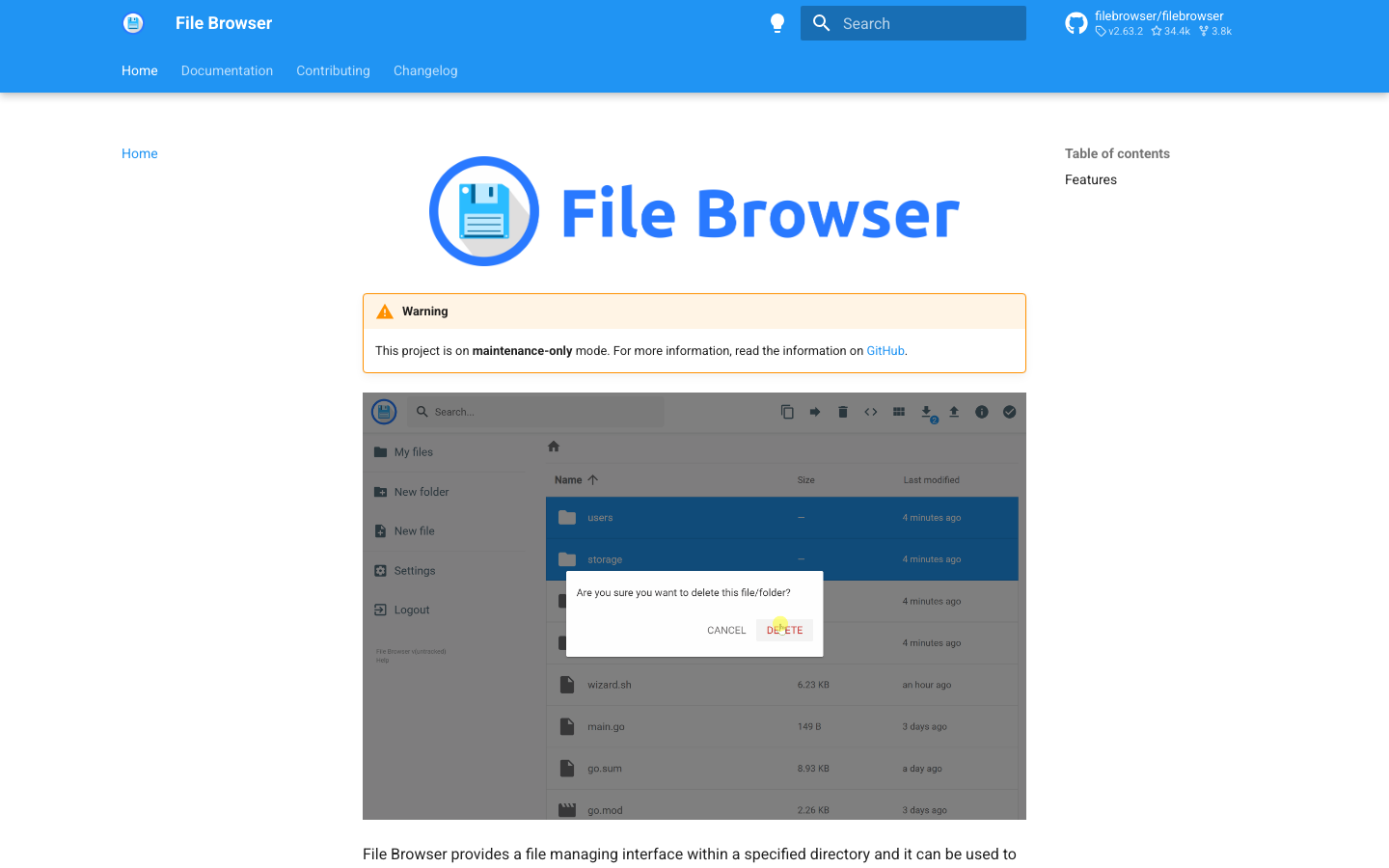
filebrowser
A lightweight, single-purpose web file browser written in Go. It lets you browse, upload, and manage files on your server without the overhead of a full collaboration suite.
Pros
- Minimal resource footprint; fast startup and low memory usage
- Apache-2.0 license offers permissive reuse
- Simple UI focused on file operations
Cons
- No built-in sync or mobile clients; web-only access
- Limited collaboration features (no calendars, contacts, or sharing workflows)
cloudreve
A self-hosted file management system with built-in support for multiple storage backends (S3, Backblaze B2, Aliyun OSS, and others). This eliminates vendor lock-in by letting you choose where your data physically lives.
Pros
- Multi-backend flexibility: use any compatible object storage without re-architecting
- Partial mobile app support for iOS and Android
- GPL-3.0 ensures ongoing openness
Cons
- E2E encryption not standard; relies on backend provider's encryption
- Smaller community than Nextcloud; fewer third-party integrations
filestash
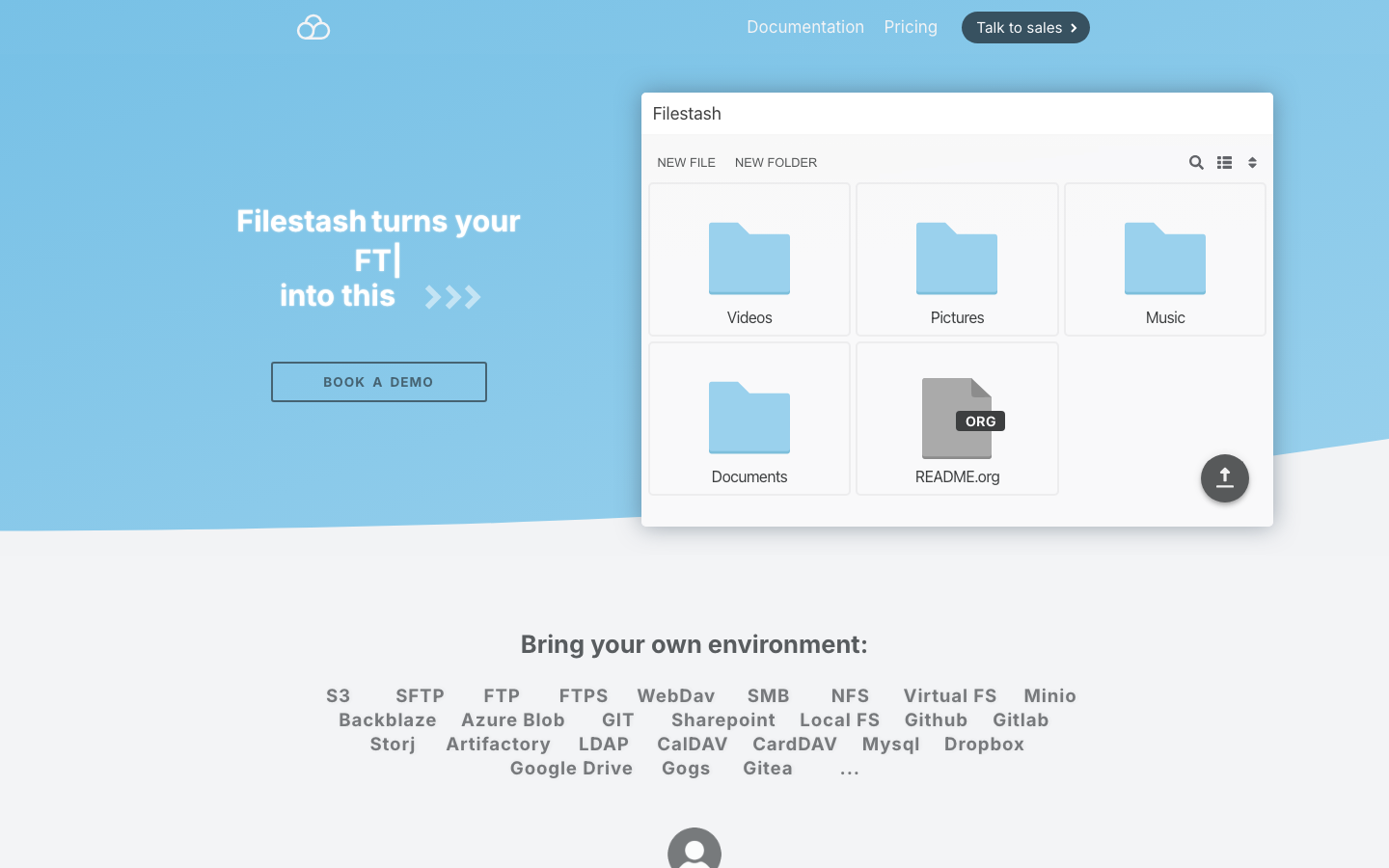
A universal data access layer that connects to multiple storage and protocol backends (SFTP, FTP, WebDAV, S3, Git, Dropbox) without requiring FUSE. Think of it as a bridge between disparate storage systems.
Pros
- Extreme flexibility: works with almost any storage backend or protocol
- AGPL-3.0 keeps the codebase transparent
- Useful for teams already invested in heterogeneous storage infrastructure
Cons
- No native mobile sync; primarily web-based
- Steeper learning curve for setup and configuration
core
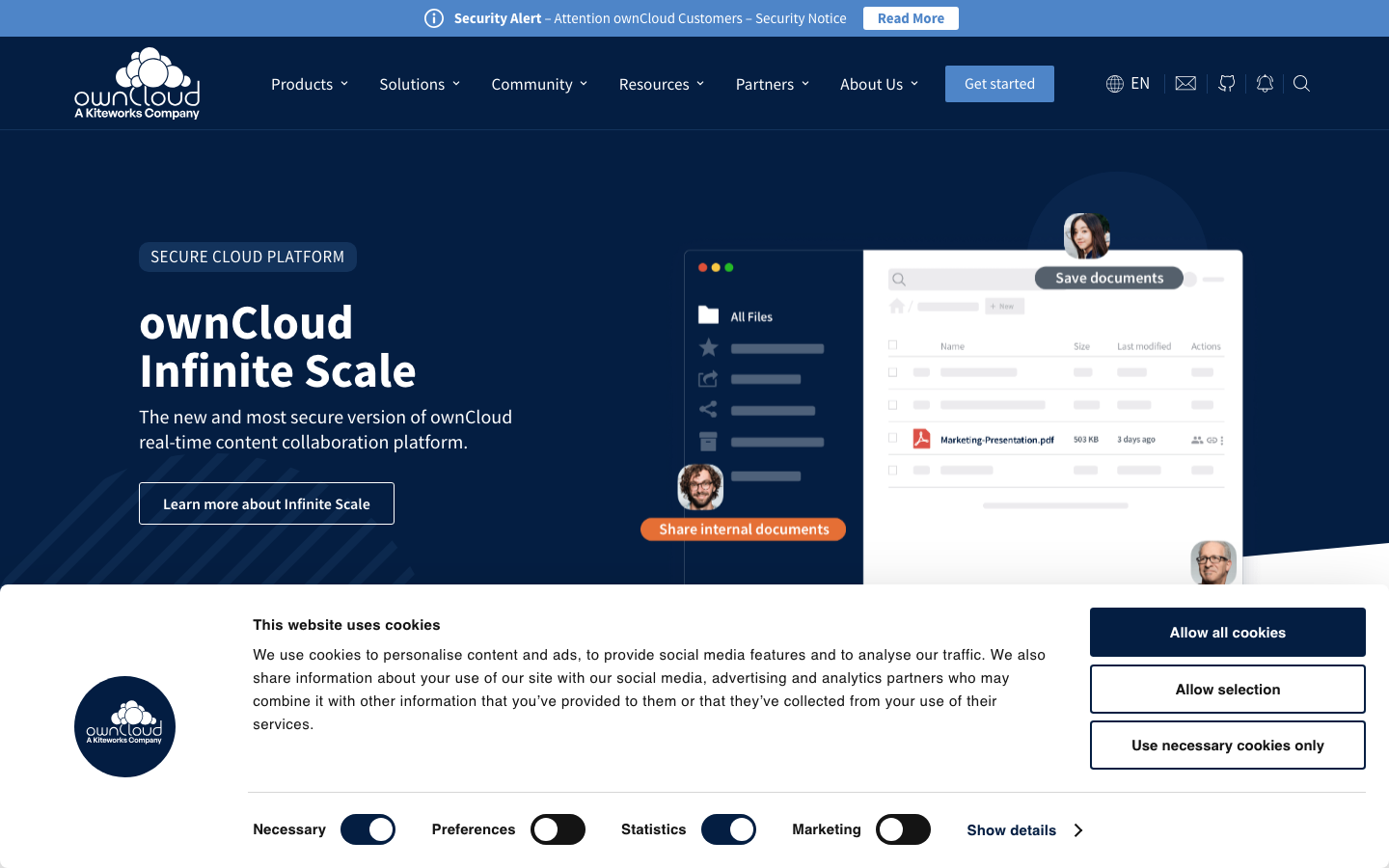
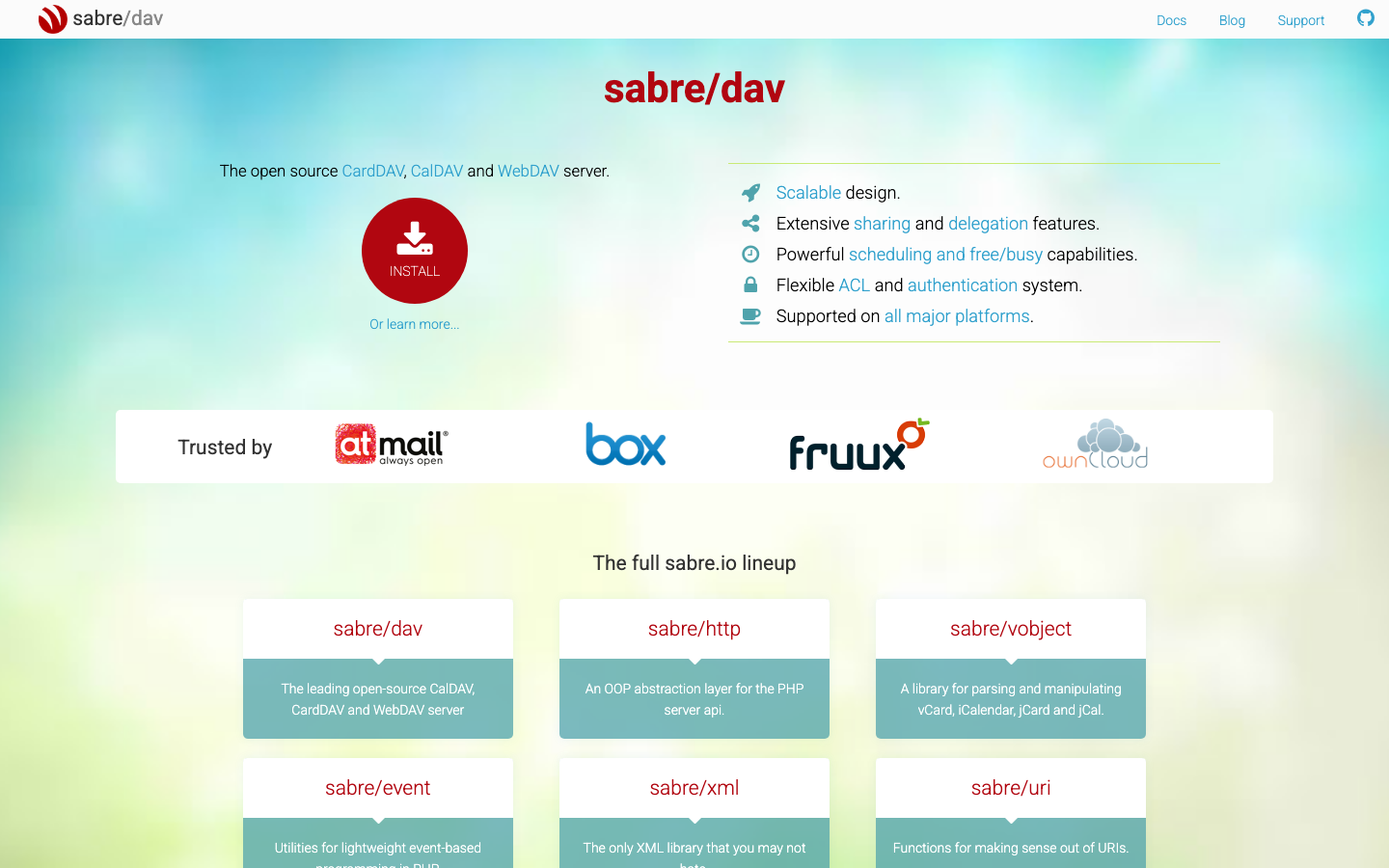
The ownCloud web server core, providing file management, WebDAV, CalDAV, and CardDAV support. It's the foundation that powers ownCloud and shares Nextcloud's design philosophy.
Pros
- Standards-based: full WebDAV, CalDAV, and CardDAV compliance for broad client compatibility
- E2E encryption supported
- Desktop and mobile sync via standard protocols
Cons
- Requires more infrastructure knowledge to deploy and maintain
- Smaller ecosystem than Nextcloud; fewer pre-packaged apps
tinyfilemanager
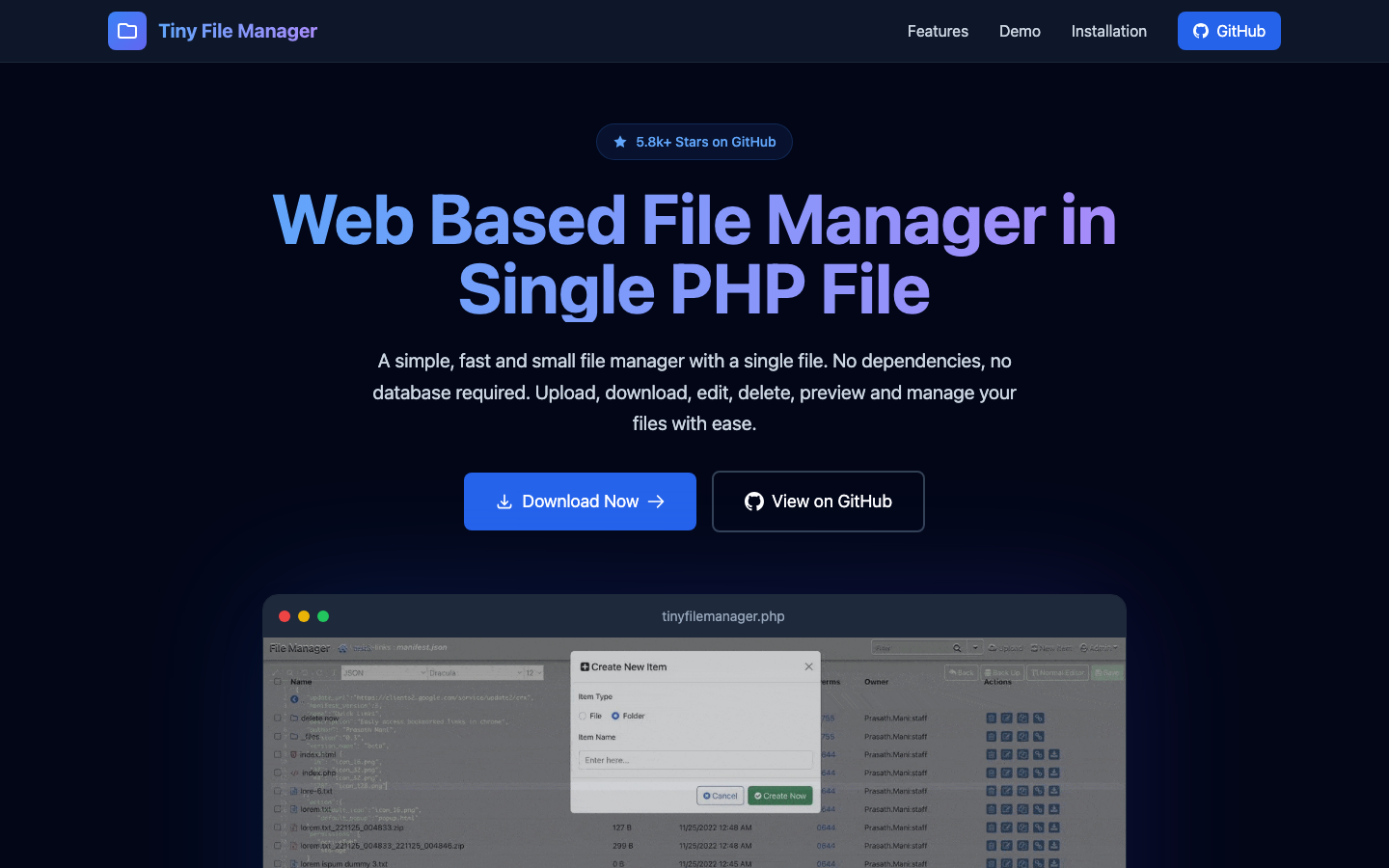
A single-file PHP file manager. Upload one file to your web server and you have a functional file browser and manager with user authentication.
Pros
- Trivial deployment: literally one PHP file
- Zero external dependencies or database required
- GPL-3.0 licensed, fully open
Cons
- No sync clients; web-only access
- Minimal collaboration features; best for simple file serving rather than team workflows
opencloud
A modern open-source platform for file management, sharing, and collaboration, emphasizing simplicity and sovereignty.
Pros
- Apache-2.0 license permits commercial use and modification
- Built for file management and team sharing workflows
- Positioned as a straightforward Nextcloud alternative
Cons
- Smaller community and fewer integrations than Nextcloud
- E2E encryption and mobile sync details not fully documented; verify for your use case
Radicale
A lightweight, standards-based CalDAV and CardDAV server for synchronizing calendars and contacts across devices.
Pros
- Hyper-focused: does calendar and contact sync exceptionally well
- Minimal dependencies and resource usage
- Works with any CalDAV/CardDAV client (Thunderbird, iOS, Android, etc.)
Cons
- Not a file storage solution; only handles calendars and contacts
- Best paired with a separate file-sync tool rather than as a Nextcloud replacement
How to choose
Start by defining your scope: file sync only, file + calendar + contacts, or full workspace. If you need just file browsing on a tight budget, tinyfilemanager wins. If you're already using S3 or similar object storage and want to avoid vendor lock-in, cloudreve is ideal. For standards-based calendar and contact sync, Radicale pairs well with any file solution. If you want a modern, lightweight file-sharing platform, opencloud or filebrowser offer simpler paths than Nextcloud. For teams ready to embrace a full self-hosted OS, puter is worth evaluating.