




TL;DR
-
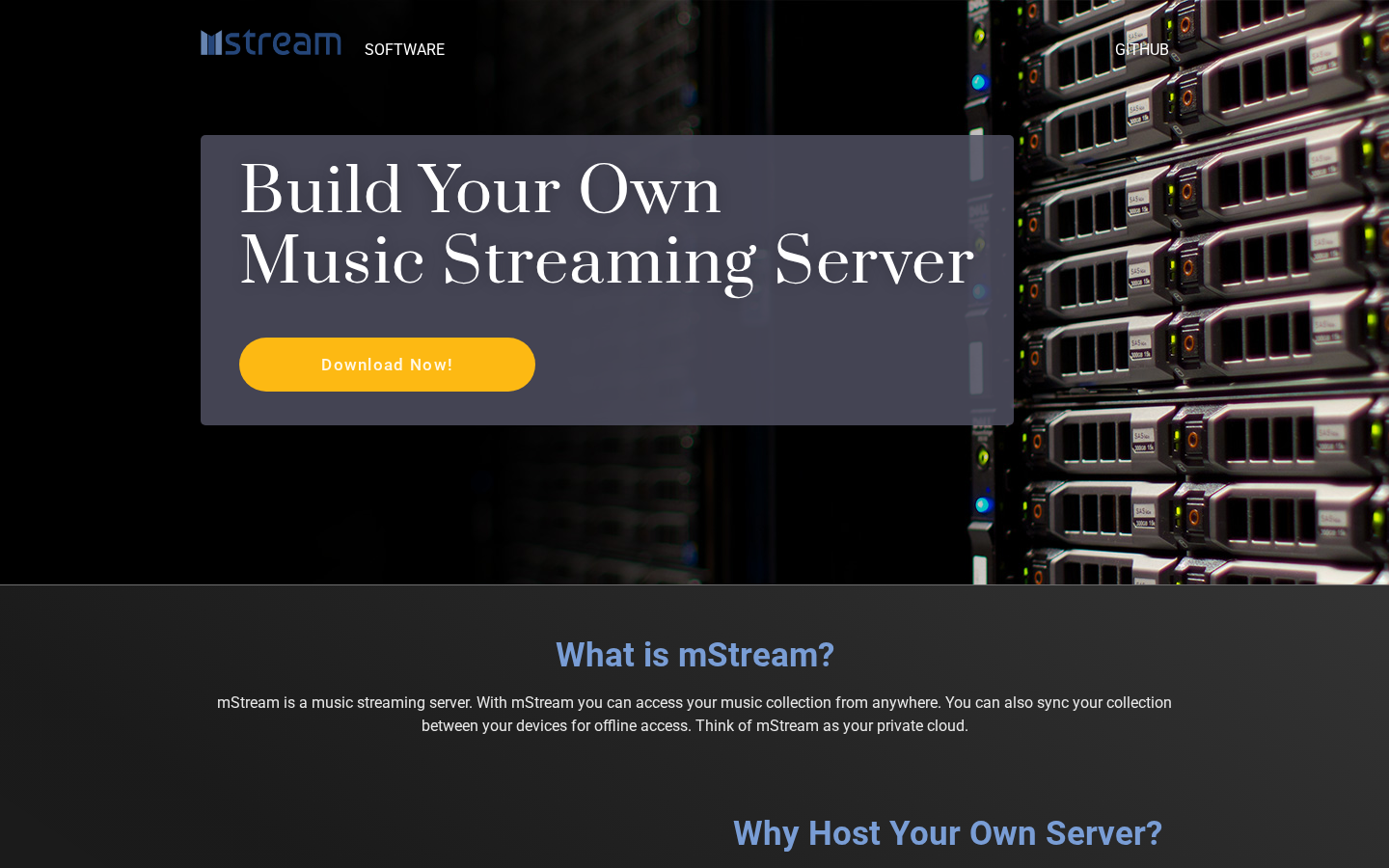
Need phone apps that work remotely without fiddling with DNS or SSL? Try mStream — it bundles native iOS and Android clients with "Quick Sync" for zero-config remote access.
-
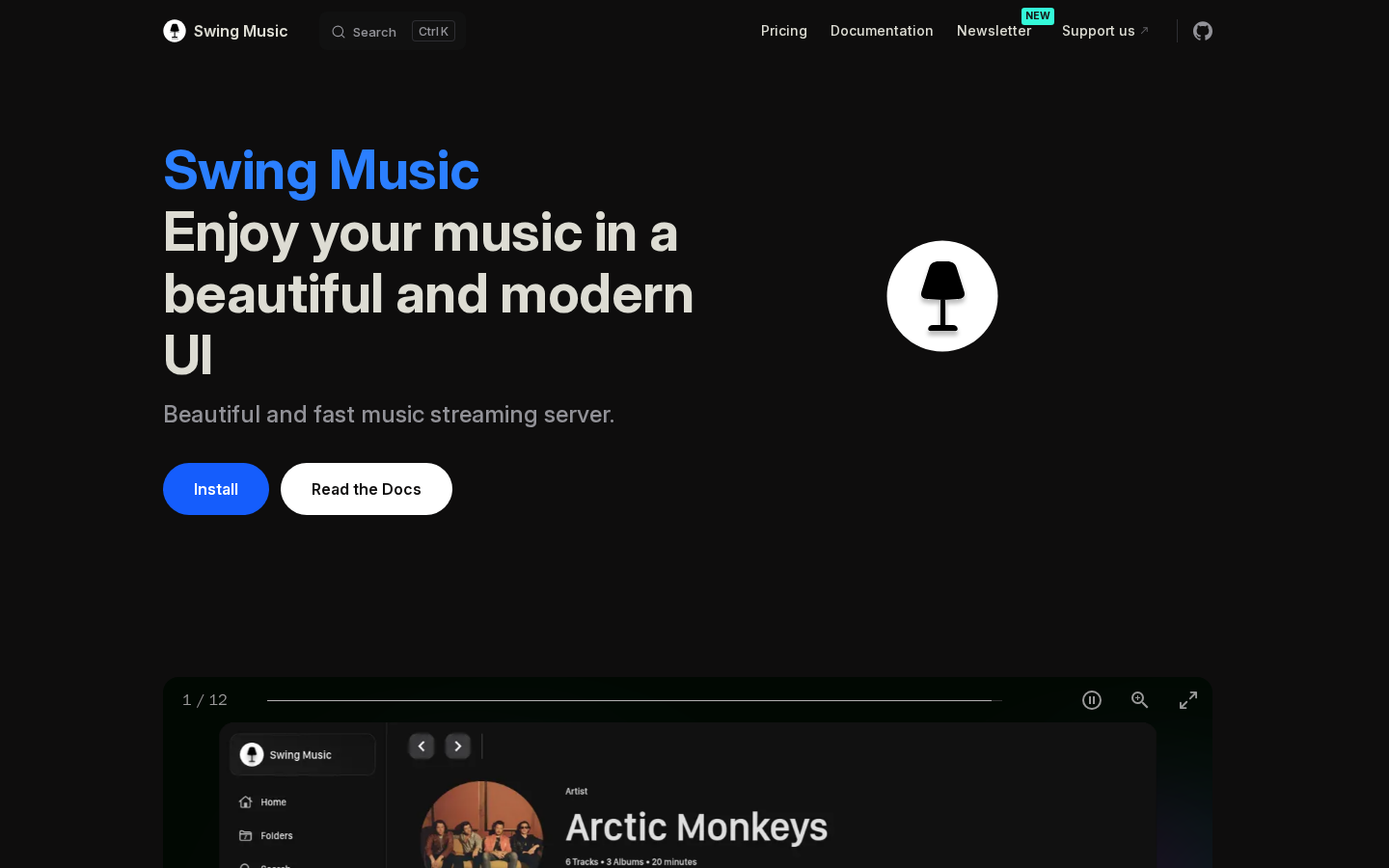
Want a Spotify-like interface with real folder browsing instead of tag-based navigation? Swing Music delivers both, plus an Android client built for your local library.
-
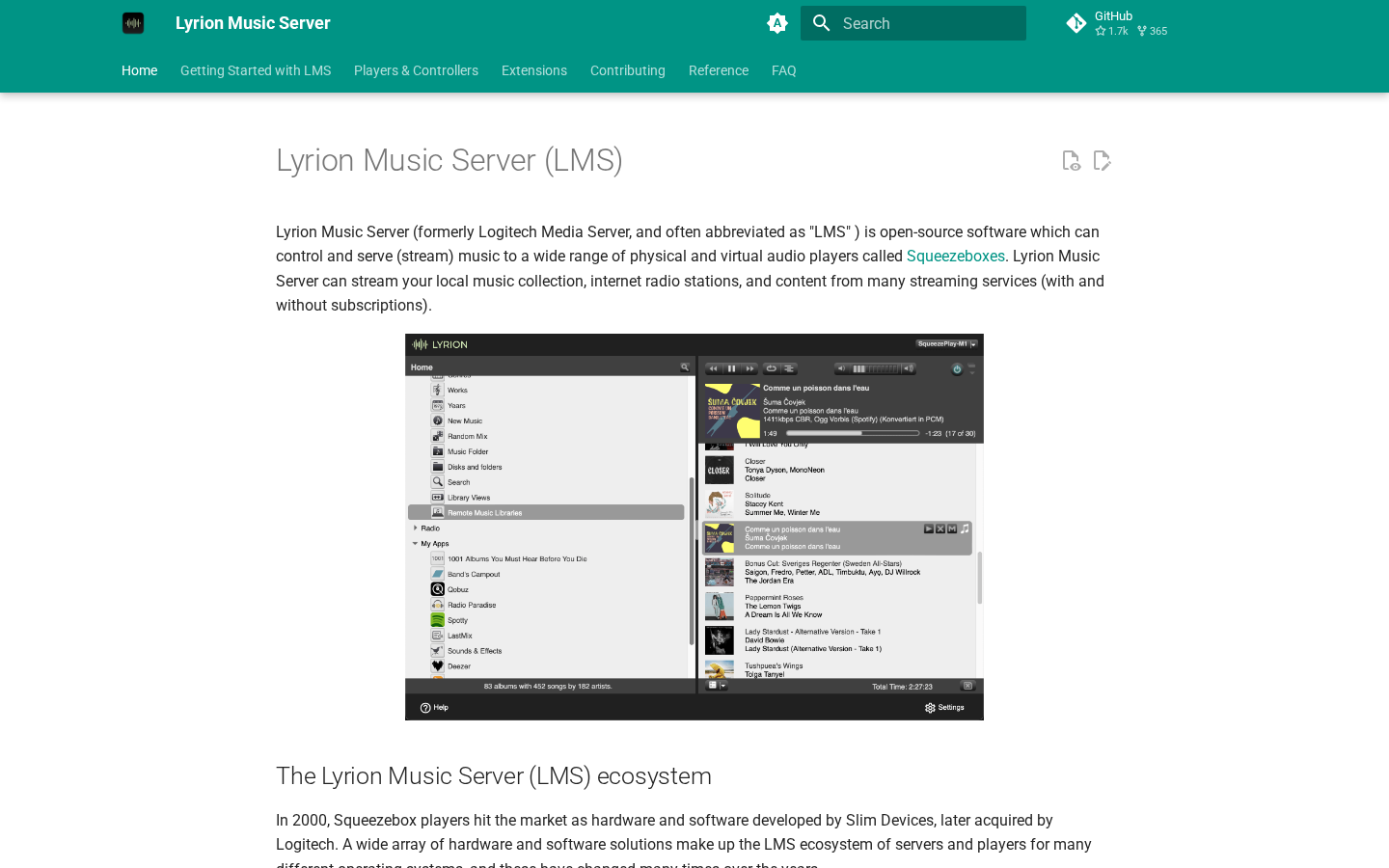
Running Squeezebox hardware or planning multiroom synchronized playback across your house? Lyrion Music Server (formerly Logitech Media Server) is purpose-built for that; moOde serves the same multiroom goal but as a Raspberry Pi player endpoint, not a phone-streaming server.
Why teams leave Navidrome
Navidrome's core strength—low-resource Subsonic API compatibility—becomes a ceiling when you step outside its design. The biggest concrete friction: remote access requires third-party Subsonic clients, which means managing port forwarding, DNS, SSL certificates, and picking from a large ecosystem of third-party phone apps (some of them paid). You're also locked into tag-based browsing with only simulated folder view; the FAQ plainly states real folder mode "would require significant changes," and the team has pointed users needing it elsewhere.
Beyond UI, scope limits bite hard. Navidrome is audio-only—a music-video request opened in November 2026 remains unresolved. Podcasts have been requested since February 2021 (issue #793) with an open PR as of August 2026 but no merge. If your use case drifts beyond pure music streaming (or if you need synchronized playback across multiple rooms), you're building workarounds or switching servers. The plugin system (WebAssembly sandboxing added in February 2026) helps, but it's still an extension layer, not native capability.
For teams wanting either phone-first remote access without infrastructure overhead, Spotify-style folder browsing, multiroom sync, or a dedicated Raspberry Pi audio appliance, Navidrome's minimalism becomes a misfit.
Quick comparison
| Name | License | Server or Player | Client Protocol | Transcoding | Best For |
|---|---|---|---|---|---|
| mStream | GPL-3.0 | Server | Own native apps (iOS/Android) | Yes | Phone streaming with zero-config remote access |
| Swing Music | AGPL-3.0 | Server | Own apps (Android; web UI) | — | Spotify-style UI with real folder browsing |
| Lyrion Music Server | License not declared | Server | Squeezebox / Squeezelite protocol | — | Multiroom synchronized playback on Squeezebox/Squeezelite players |
| moOde | GPL-3.0 | Player (endpoint) | MPD | — | Audiophile Raspberry Pi streamer with DAC output and multiroom sync |
Top open-source alternatives to Navidrome
mStream
A self-hosted music streaming server with native iOS and Android apps bundled in the same repository. Its "Quick Sync" feature tunnels remote access without requiring you to expose ports, configure DNS, or manage SSL—a direct answer to Navidrome's client-fragmentation problem.
Pros:
- Open-source mobile clients (iOS and Android) included; no hunting for third-party Subsonic apps.
- Quick Sync remote access eliminates port forwarding and certificate headaches.
- Lightweight and straightforward to deploy.
Cons:
- Its own API: existing Subsonic client apps don't work with it.
- Smaller community than Navidrome's.
Swing Music
A self-hosted music player with a modern, Spotify-inspired interface and real folder browsing instead of tag-based navigation. Includes an Android client and a responsive web UI designed for local music libraries.
Pros:
- Folder view makes file-system exploration intuitive; no "simulated" browsing.
- Beautiful, modern UI reduces friction for non-technical users.
- AGPL-3.0 ensures transparency and community-driven development.
Cons:
- No Subsonic API compatibility; you cannot use existing Subsonic clients.
- Smaller user base and fewer integrations compared to Navidrome.
Lyrion Music Server
The successor to Logitech Media Server, purpose-built to serve Squeezebox hardware and Squeezelite software players. It synchronizes playback across multiple players, enabling true multiroom audio in a single ecosystem.
Pros:
- Multiroom synchronization is native and reliable; no workarounds needed.
- Mature codebase with decades of Logitech/community refinement.
- Works with both hardware (Squeezebox) and software (Squeezelite) players.
Cons:
- Not a phone-streaming server; it controls Squeezebox players, not direct phone playback. Requires compatible hardware or Squeezelite on endpoints.
- Smaller active community than Subsonic-API servers.
moOde
An audiophile-grade music streamer built on MPD for the Raspberry Pi family, with I2S and USB DAC output. Like Lyrion, it is a player endpoint, not a phone-streaming server; it turns a Pi into a high-fidelity audio appliance with multiroom synchronized playback.
Pros:
- Audiophile-focused: I2S and USB DAC output and hardware integration.
- Multiroom synchronization across moOde instances.
- Minimal resource footprint and purpose-built for Raspberry Pi.
Cons:
- Not a phone-streaming server; it is an endpoint device. You control it via web UI or third-party control apps, not direct phone playback.
- Requires Raspberry Pi hardware and audio DAC; not a general-purpose streaming solution.
How to choose
If you need phone-first remote access without infrastructure setup, choose mStream. If you want Spotify-like folder browsing and a modern UI, go Swing Music. If you're building multiroom synchronized playback and have Squeezebox hardware or Squeezelite players, Lyrion Music Server is the right fit. If you're wiring a Raspberry Pi to a DAC and want audiophile playback with multiroom sync, moOde is purpose-built for that role—but remember it's a player, not a server that streams to your phone. Match your primary use case (remote phone access vs. local player control vs. folder browsing) to avoid false starts.